
 English
 Español
 Portugues
 Pусский
 Français
 العربية
 ไทย
ไทย Türk dili
 Tiếng Việt


XLPE Insulated Conductor
Temukan {kata kunci} grosir & kutipan dari Cina. Kami adalah produsen profesional {kata kunci} perusahaan, pabrik & eksportir berspesialisasi dalam {kata kunci} dengan berkualitas tinggi.
Produk
Kategori:
-
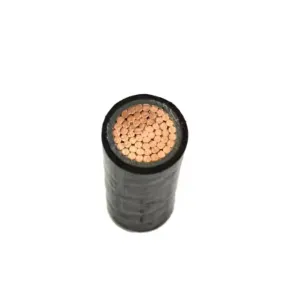
Nc2xy-Cc Nc2xh-Cc XLPE Insulated PVC or LSZH Sheathed Non-Armoured Copper Cables 16A Rated Current Pure Copper Conductor
Klasifikasi mereka: Kabel tegangan rendahTampilan: 289Nomor:Waktu rilis: 2025-07-21 06:48:50The NC2XY-CC and NC2XH-CC series non-armored copper cables feature pure copper conductors with XLPE insulation, available in PVC or LSZH (Low Smoke Zero Halogen) sheathing options, rated at 16A current. These cables offer excellent electrical performance and environmental benefits, with the LSZH version providing low smoke and non-toxic emissions when burned, making them particularly suitable for crowded locations. Compliant with international electrical standards, they are ideal for fixed installation in buildings, industrial plants and public facilities, delivering safe and reliable power transmission solutions. -
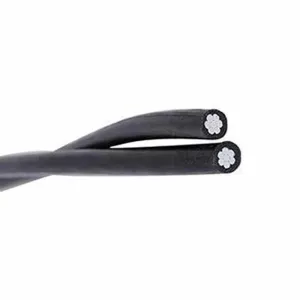
4 Core 35mm ABC Cable Aerial Bundle XLPE Insulated Overhead Cable Aluminum Conductor 16A/30A Rated for Mining Home Appliances
Klasifikasi mereka: Kabel saluran terisolasi overheadTampilan: 276Nomor:Waktu rilis: 2025-08-01 03:50:024 Core 35mm ABC Cable Aerial Bundle XLPE Insulated Overhead Cable Aluminum Conductor 16A/30A Rated for Mining Home Appliances This 4-core 35mm² Aerial Bundle Cable (ABC Cable) redefines reliability in overhead power distribution, combining XLPE insulation with high-purity aluminum conductors to deliver consistent performance for both mining operations and home appliances. Rated for 16A and 30A, it balances power capacity with safety, making it a versatile choice for diverse electrical needs. The cable’s aerial bundle design integrates four cores into a single, compact unit, streamlining installation and reducing the risk of tangling or damage—critical for mining sites with rugged terrain and residential areas with limited overhead space. Its aluminum conductors offer lightweight durability, ensuring easy handling during setup while maintaining low electrical resistance for efficient energy transfer. XLPE insulation is the cornerstone of its resilience, resisting heat (up to 90°C), moisture, and chemical exposure—essential for mining environments where dust, humidity, and occasional chemical contact are common. This insulation also safeguards against electrical leakage, a key safety feature for home appliances like refrigerators, air conditioners, and washing machines. With rated currents of 16A (ideal for household use) and 30A (suitable for light mining equipment), the cable adapts seamlessly to varying loads. It complies with international standards (IEC, ASTM) for overhead cables, undergoing rigorous testing for tensile strength and dielectric stability. Whether powering mining tools or household devices, this ABC cable ensures long-term reliability with minimal maintenance. -
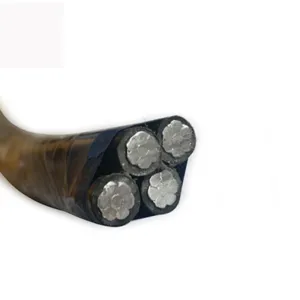
ABC Aerial Bundled Cable, LV Service Drop, 3X50+1X35 mm² , Aluminium/AAAC Conductor, XLPE Insulated
Klasifikasi mereka: Kabel saluran terisolasi overheadTampilan: 312Nomor:Waktu rilis: 2025-08-27 06:10:05This product is an ABC (Aerial Bundled Cable) aerial insulated cable, a core transmission device for low-voltage (LV) service drops specially designed for low-voltage power distribution systems. It adopts a conductor cross-sectional configuration of 3×50mm² + 1×35mm², with conductor materials available in aluminum or AAAC (All-Aluminum Alloy Conductor), and the insulation layer is made of XLPE (Cross-Linked Polyethylene). It is mainly used to introduce electricity from low-voltage overhead lines to user terminals (such as residential communities, industrial and commercial parks, and rural power distribution networks). Relying on the combined advantages of "aerial installation adaptation + multi-core integration + weather-resistant insulation", it provides a safe, efficient, and durable solution for the last-mile transmission of low-voltage power distribution. It effectively replaces traditional bare conductors, reduces the risk of line faults, and improves the reliability of the power distribution system. In terms of core specifications and structural design, the "3×50 + 1×35mm²" cross-sectional configuration of this cable accurately matches the three-phase four-wire system requirements of low-voltage power distribution: three 50mm² conductors serve as three-phase live wires (L1, L2, L3), undertaking the main current transmission task. The long-term safe current-carrying capacity can reach 120-150A (slightly different depending on conductor material and ambient temperature), which can meet the total power load of small and medium-sized user clusters (such as 10-20 households or small industrial and commercial users). One 35mm² conductor acts as the neutral wire (N), used to balance the three-phase current, avoid voltage deviation caused by unbalanced three-phase loads, and ensure the stable operation of user-end equipment. This cross-sectional configuration not only avoids heating problems caused by insufficient cross-section of live wires but also optimizes material costs by reasonably reducing the cross-section of the neutral wire, balancing performance and economy. The dual choice of conductor materials (aluminum conductor/AAAC conductor) provides flexible adaptation to different application scenarios: Aluminum conductors have the advantages of light weight and low cost, with a density only 1/3 of that of copper, which can significantly reduce the tower load of overhead lines and lower the cost of tower construction and maintenance. At the same time, the conductivity of aluminum conductors meets the needs of low-voltage power distribution, and an oxide film is easily formed on the surface, providing a certain degree of corrosion resistance. It is suitable for low-voltage power distribution networks in plain, suburban, and other relatively mild environments. AAAC conductors (all-aluminum alloy stranded wires) upgrade the performance of aluminum conductors by adding alloy elements such as magnesium and silicon, significantly improving the tensile strength of the conductor (1.5-2 times that of ordinary aluminum conductors) and fatigue resistance. They can resist the mechanical stress of severe weather such as strong winds and ice coating on the line, while retaining the advantage of light weight of aluminum conductors. They are suitable for mountainous areas, coastal areas, and other regions with complex climates and high wind speeds, or overhead lines with large spans (such as service drops crossing rivers and roads), extending the service life of the line. The selection of XLPE insulation layer is a key advantage of this cable for aerial scenarios. Compared with traditional PVC insulation, it has three core values: First, excellent weather resistance. XLPE material forms a three-dimensional network structure through a cross-linking process, which can effectively resist the erosion of outdoor environmental factors such as ultraviolet rays, ozone, and acid rain, avoiding aging and cracking of the insulation layer. It can still maintain stable insulation performance after long-term exposure to outdoor environments, with a service life of 20-30 years, far exceeding that of PVC insulated cables. Second, excellent high-temperature resistance. The long-term allowable operating temperature of XLPE can reach 90℃, and the allowable temperature during short circuits is as high as 250℃. It can withstand the heat generated by high-temperature exposure in summer or short-term overload of the line, avoiding short-circuit accidents caused by melting of the insulation layer. Third, good electrical insulation performance. XLPE has high insulation resistance (insulation resistance coefficient > 10¹⁴Ω·cm at room temperature) and small dielectric loss tangent value, which can effectively isolate the conductor from the outside world, prevent leakage or phase-to-phase short circuits, and at the same time have excellent breakdown resistance. Even in humid environments, it can ensure the insulation reliability of the line. In terms of adaptability to application scenarios, the core value of this cable lies in the "accurate positioning of low-voltage service drops": In urban residential community power distribution, it can be used as an aerial service drop from the low-voltage side of the community distribution transformer to the building distribution box. The multi-core integrated design avoids the clutter problem of traditional parallel erection of multiple bare conductors, reduces the space occupied by the line, and at the same time, the XLPE insulation layer prevents leakage accidents caused by the line contacting trees, buildings, etc., improving the electricity safety of the community. In the renovation of rural power distribution networks, it can replace the old bare conductor service drops, adapting to the characteristics of large spans and complex environments of aerial lines in rural areas. The AAAC conductor version can resist strong winds and ice coating in rural mountainous areas, reduce line failure rates, and ensure agricultural production and residents' daily electricity consumption. In industrial and commercial park power distribution, as a low-voltage service drop from the park's main power distribution room to various workshops and office buildings, the 3×50mm² live wire cross-section can meet the electricity demand of medium and small production equipment, air conditioners, and other high-power loads in the park. The high-temperature resistance of the XLPE insulation layer can cope with the high-temperature environment around the workshop in summer, ensuring stable line operation. From the perspective of installation and operation and maintenance convenience, this cable has significant advantages: The multi-core integrated design reduces the number of erected aerial lines, simplifies the construction process, and lowers the installation cost. At the same time, the core wires are isolated by insulation layers, and no additional spacers need to be installed, reducing the number of line accessories. The overall weight of the cable is light, and it can be erected using light towers or existing towers, reducing project investment. In addition, the XLPE insulation layer has a variety of colors (such as red, yellow, green, blue, corresponding to three-phase live wires and neutral wires respectively), which is convenient for construction personnel to identify the phase sequence, reduce wiring errors, and the surface of the insulation layer is smooth, not easy to attach dust and debris, reducing the need for later cleaning and maintenance. From the perspective of safety and economy, this cable can effectively solve the pain points of traditional low-voltage service drops: Compared with bare conductors, the XLPE insulation layer completely eliminates the risk of electric shock caused by accidental contact by personnel and animal contact, as well as the fault hidden dangers of phase-to-phase short circuits and ground short circuits of conductors, greatly reducing the number of power outages and maintenance costs of the power distribution network. The lightweight characteristics of aluminum/AAAC conductors reduce the line construction cost, while extending the line service life and reducing the later replacement investment. In addition, this cable complies with relevant national standards for low-voltage power distribution systems (such as GB/T 12527-2008 "Aerial Insulated Cables for Rated Voltage up to 1kV"), has good compatibility, and can be seamlessly connected with existing low-voltage power distribution equipment (such as transformers, distribution boxes, surge arresters), facilitating system upgrading and expansion. In terms of overall value, this ABC aerial insulated cable (LV service drop) solves three core pain points of low-voltage power distribution service drops through the design of "accurate cross-sectional configuration + high-quality conductor and insulation + aerial scenario adaptation": First, the "safety hazard" problem. The XLPE insulation and multi-core isolation design reduce the risk of electric shock and short circuit. Second, the "environmental adaptability" problem. The combination of aluminum/AAAC conductors and XLPE insulation copes with different climate and geographical conditions. Third, the "cost efficiency" problem. The lightweight design and long service life reduce construction and operation and maintenance costs. For power companies and users, this cable is not only a "power transmission carrier" but also a key equipment to improve the reliability, safety, and economy of the low-voltage power distribution network, providing a solid guarantee for the efficient operation of the low-voltage power distribution system. -
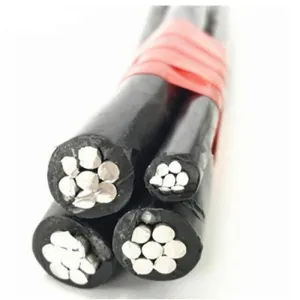
0.6/1kv Aerial Bundled Cable (ABC) , Quadruplex 3X1/0 + 1X1/0 AWG, Aluminum Conductor, XLPE Insulated
Klasifikasi mereka: Kabel saluran terisolasi overheadTampilan: 287Nomor:Waktu rilis: 2025-08-27 06:25:17This product is a 0.6/1kV quadruplex ABC (Aerial Bundled Cable) aerial cable, a core transmission device specially designed for low-voltage aerial power distribution systems. It adopts a quadruplex symmetric conductor configuration of 3×1/0 AWG + 1×1/0 AWG (1/0 AWG corresponds to approximately 50mm² cross-section). The conductor material is high-purity aluminum, and the insulation layer is made of XLPE (Cross-Linked Polyethylene), with a rated voltage of 0.6/1kV. It has the core advantages of "quadruplex symmetric transmission + aerial adaptation + weather-resistant insulation". It is mainly used in the main lines of low-voltage power distribution networks, aerial power supply for residential communities and industrial and commercial parks, and is especially suitable for three-phase four-wire low-voltage power distribution scenarios. It can stably transmit electricity and balance three-phase loads, effectively replacing the traditional mode of parallel erection of multiple bare conductors, reducing the risk of line faults, and improving the reliability and economy of the power distribution system. In terms of core specifications and electrical performance, the quadruplex 1/0 AWG aluminum conductor configuration of this cable is its prominent feature. The 1/0 AWG (American Wire Gauge) corresponds to a conductor cross-section of approximately 50mm², and each conductor has a long-term safe current-carrying capacity of 120-140A (at an ambient temperature of 25℃). The three phase conductors and one neutral conductor all adopt the same cross-section, forming a symmetric transmission structure. This symmetric design breaks the conventional configuration of "thick phase conductors and thin neutral conductors" in traditional ABC cables, and is more suitable for scenarios with large three-phase load fluctuations. When the cross-section of the neutral conductor is the same as that of the phase conductors, it can more efficiently balance the three-phase current deviation, avoiding problems such as conductor heating and voltage deviation caused by excessive neutral current, and ensuring the stable operation of user-end equipment (such as precision instruments and variable-frequency household appliances). At the same time, the rated voltage of 0.6/1kV is adapted to the 0.4kV working voltage of the low-voltage power distribution system, providing a sufficient voltage safety margin. It can resist short-term overvoltages in the line (such as lightning-induced overvoltages and switching overvoltages) and prevent insulation breakdown. The selection of aluminum conductors provides multiple adaptation advantages for aerial scenarios: First, the lightweight feature. The density of aluminum is only 2.7g/cm³, much lower than that of copper. The unit weight of the quadruplex 1/0 AWG cable is about 3.5-4.0kg/m, which significantly reduces the load on aerial poles and towers. It can reduce the material cost of poles and towers (such as using light steel poles or concrete poles), simplify the installation process, and reduce the hoisting difficulty and labor cost during construction. Second, good electrical conductivity. The high-purity aluminum conductor (purity ≥99.7%) has a resistivity of about 2.83×10⁻⁸Ω·m. Although it is slightly higher than that of copper, combined with the large cross-section of 1/0 AWG, it can still ensure low-resistance transmission. The voltage drop is controlled within a reasonable range (voltage drop of 100-meter line ≤8V), meeting the energy efficiency requirements of low-voltage power distribution. Third, natural corrosion resistance. A dense oxide film (Al₂O₃) is easily formed on the surface of the aluminum conductor, which can isolate air, moisture and slightly corrosive substances (such as industrial dust and mild acid rain), extending the service life of the conductor and adapting to the complex outdoor aerial environment. The XLPE insulation layer is a key guarantee for this cable to adapt to outdoor aerial use. Compared with traditional PVC insulation, it has three core values: First, excellent weather resistance. XLPE forms a three-dimensional network molecular structure through a cross-linking process, which can resist the erosion of outdoor environmental factors such as ultraviolet rays, ozone, and alternating high and low temperatures. It can still maintain stable insulation performance after long-term exposure to the outdoors, with a service life of 20-30 years, far exceeding the 5-8 years of PVC insulated cables. Second, excellent high-temperature resistance and overload resistance. The long-term allowable operating temperature of XLPE is 90℃, and the allowable temperature during short circuits is as high as 250℃ (duration ≤5 seconds). It can withstand the heat generated by high-temperature exposure in summer or short-term overload of the line, avoiding melting or cracking of the insulation layer. Third, excellent electrical insulation performance. The insulation resistance coefficient of XLPE is >10¹⁴Ω·cm (at room temperature), and the dielectric loss tangent value is small (≤0.0005), which can effectively isolate the leakage risk between phase conductors and between phase conductors and the ground. At the same time, it has a high breakdown field strength (20-25kV/mm), preventing the insulation layer from being damaged under overvoltage and ensuring the safe operation of the line. In terms of adaptability to application scenarios, the core value of this cable lies in "efficient transmission and stable operation of low-voltage aerial power distribution": In the main lines of urban low-voltage power distribution networks, it can be used as an aerial transmission line from the low-voltage side of the regional distribution transformer to the junction box. The quadruplex symmetric configuration can stably bear the total load of multiple users in the area (such as the daily electricity consumption of 100-150 households). The weather resistance of XLPE insulation reduces the frequency of line maintenance and lowers the operation and maintenance cost of power companies. In the power distribution of large residential communities, it can be used as the aerial main line in the community to connect the distribution boxes of each building. The symmetric quadruplex design adapts to the dynamic changes of three-phase loads in the community (such as residential air conditioners, elevators, and public lighting), avoiding neutral line overload and ensuring the stability of community power supply. In the power distribution of industrial and commercial parks, it is suitable for low-voltage aerial lines in the park to provide electricity for small and medium-sized factories and warehouses. The large cross-section conductor of 1/0 AWG can meet the current demand of production equipment in the park (such as small motors and processing machines), and the high-temperature resistance of XLPE insulation can cope with the high-temperature environment in the park in summer, ensuring the continuous and stable operation of the line. From the perspective of installation and operation and maintenance, this cable has significant advantages: The quadruplex integrated design reduces the number of erected aerial lines. Unlike traditional bare conductors that require separate erection of multiple phase conductors and neutral conductors, it simplifies the construction process, shortens the construction period, and reduces the aerial space occupied by the line, lowering the risk of conflict with external objects such as trees and buildings. The overall flexibility of the cable is moderate (minimum bending radius is 12 times the outer diameter), and it can be erected with a large span between poles and towers (conventional span 50-100 meters), reducing the number of poles and towers and further lowering the project investment. In addition, the XLPE insulation layer adopts color coding (such as red, yellow, and green corresponding to three-phase conductors, and blue corresponding to neutral conductor), which is convenient for construction personnel to identify the phase sequence, reducing wiring errors. At the same time, the surface of the insulation layer is smooth, not easy to attach dust, ice, and snow, reducing the risk of excessive line weight caused by ice coating in winter and reducing the operation and maintenance workload. From the perspective of economy and safety, this cable can effectively solve the pain points of traditional low-voltage aerial lines: Compared with copper conductor cables, aluminum conductors significantly reduce material costs (the price of aluminum is about 1/3 of that of copper), and the lightweight feature reduces the cost of poles, towers, and installation. The comprehensive project cost is reduced by 30%-40%. Compared with bare conductors, the XLPE insulation layer completely eliminates electric shock accidents caused by accidental contact by personnel and animals, as well as fault hidden dangers of phase-to-phase short circuits and ground short circuits, significantly reducing the line tripping rate and improving power supply reliability. In addition, this cable complies with relevant standards of the International Electrotechnical Commission (IEC 60502-1) and national standards (GB/T 12527-2008), has good compatibility, and can be seamlessly connected with existing low-voltage power distribution equipment (such as disconnectors, surge arresters, and distribution boxes), facilitating the upgrading and expansion of the power distribution network. In terms of overall value, this 0.6/1kV quadruplex ABC aerial cable solves three core pain points of low-voltage aerial power distribution through the design of "symmetric quadruplex configuration + aluminum conductor + XLPE insulation": First, the "load balance" problem. The symmetric cross-section neutral conductor efficiently balances three-phase current, avoiding voltage deviation and conductor overload. Second, the "environmental adaptation" problem. The combination of XLPE insulation and aluminum conductor resists the complex outdoor environment and extends the service life of the line. Third, the "cost efficiency" problem. The lightweight and low-cost design reduces project and operation and maintenance investment. For power companies, community property management, and park management, this cable is not only a "power transmission carrier" but also a key equipment to improve the stability, safety, and economy of the low-voltage power distribution network, providing a solid guarantee for the efficient operation of the low-voltage aerial power distribution system. -
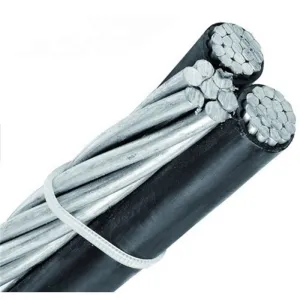
ABC Aerial Bundled Cable 0.6/1kV Low Voltage, Aluminum Conductor XLPE Insulated
Klasifikasi mereka: Kabel saluran terisolasi overheadTampilan: 295Nomor:Waktu rilis: 2025-08-29 03:26:59The ABC Aerial Bundled Cable (ABC stands for Aerial Bundled Cable) for 0.6/1kV low-voltage applications is a high-efficiency power distribution product specifically designed for low-voltage overhead power transmission scenarios. With a rated voltage of 0.6/1kV (0.6kV as phase voltage and 1kV as line voltage), it adopts high-purity aluminum conductors and XLPE (Cross-Linked Polyethylene) insulation layers. Through a bundled process, multiple insulated conductors are integrated into a single unit. This cable is widely used in urban and rural low-voltage power distribution networks, rural power grid renovation, branch power supply for residential communities, internal power transmission in industrial parks, and power access in remote areas. It provides a safe, economical, and weather-resistant power transmission solution for low-voltage overhead lines and serves as a key component in modern low-voltage power infrastructure construction. In terms of core specifications and conductor characteristics, the cable’s rated voltage is precisely adapted to the needs of low-voltage power grids. It can stably carry daily electricity loads, cope with voltage fluctuations in the power grid, and avoid insulation breakdown or conductor overheating caused by voltage overload. The aluminum conductors are made of electrolytic aluminum with a purity of over 99.5%, and some models undergo alloying treatment (e.g., adding magnesium and silicon elements) to further enhance mechanical strength and corrosion resistance. Its conductivity can reach over 61% IACS (International Annealed Copper Standard), ensuring efficient current transmission while significantly reducing the conductor’s self-weight (the density of aluminum is only 1/3 that of copper). This reduces the load pressure on overhead poles and towers, and lowers the cost of supporting hardware and poles. The conductor cross-sectional specifications cover a wide range (commonly 10mm²-120mm²), allowing flexible selection based on line loads (such as lighting, sockets, and small power equipment) to meet the electricity needs of different scenarios. The XLPE insulation layer is one of the core advantages of this cable. Compared with traditional PVC or PE insulation, it has more excellent comprehensive performance: in terms of electrical performance, XLPE has extremely low dielectric loss (usually <0.002) and high insulation resistance (>1000MΩ·km), which can effectively reduce energy loss during current transmission and improve power utilization efficiency; in terms of temperature resistance, XLPE can operate at a long-term temperature of up to 90℃ and a short-term overload temperature of up to 130℃, capable of withstanding heat shocks from high-temperature exposure in summer and short-term current peaks, avoiding softening and deformation of the insulation layer; in terms of weather resistance, after cross-linking treatment, XLPE forms a three-dimensional network molecular structure, significantly enhancing its UV resistance and anti-aging ability. In outdoor overhead scenarios, it can resist embrittlement and cracking of the insulation layer caused by direct sunlight, wind, and rain erosion, with a service life of more than 20 years, far exceeding that of traditional insulation materials. In addition, XLPE also has good chemical corrosion resistance, which can resist acid-base pollutants in industrial areas and salt spray erosion in coastal areas, expanding the environmental adaptability range of the cable. The bundled structure is a key design that distinguishes this cable from traditional overhead bare wires. Unlike traditional overhead lines that require separate erection of live wires, neutral wires, and ground wires, the ABC cable integrates multiple insulated conductors (usually 2-4 cores, including live wires, neutral wires, and ground wires in some models) into a unified cable bundle through a dedicated process, bringing multiple advantages: first, it simplifies the line layout, reduces the number of overhead lines to be erected, lowers the usage of supporting facilities such as poles and insulators, and shortens the construction period (construction efficiency is increased by more than 30% compared with traditional lines); second, it eliminates the risk of exposed conductors, greatly reducing short-circuit faults caused by bird nesting, branch contact, and foreign object overlap,and reducing the frequency of power outage maintenance (the fault rate can be reduced by more than 60%); third, it improves line safety—the insulation layer isolates the conductor from the outside world, effectively preventing electric shock accidents caused by accidental contact by personnel or animals, especially suitable for urban and rural areas with high population density. At the same time, the bundled structure makes the overall outer diameter of the cable smaller and the wind resistance coefficient lower, which can reduce the impact of strong winds and ice coating on the line and improve the operation stability under extreme weather. From the perspective of scenario adaptability and practical advantages, the characteristics of this cable make it widely applicable in the field of low-voltage overhead. In urban and rural power distribution networks, it can replace traditional bare wires and single-core insulated cables, reducing the space occupied by lines and beautifying the urban landscape; in rural power grid renovation, the lightweight aluminum conductor and bundled design can reduce the construction difficulty in remote areas, and erection can be completed without large lifting equipment, accelerating the speed of rural power coverage; in residential communities and industrial parks, its low-loss characteristic can reduce internal power loss, save electricity costs, and the insulated structure avoids the safety hazards of traditional bare wires to the surrounding environment; in power access scenarios in remote areas, the weather-resistant XLPE insulation and aluminum conductor can adapt to harsh natural environments, reducing the workload of later maintenance. In terms of quality assurance, this cable strictly complies with international and domestic low-voltage overhead cable standards (such as IEC 60502-2 and GB/T 14049), with full-process control from raw materials to finished products: aluminum conductors must pass conductivity, tensile strength, and corrosion resistance tests; XLPE insulation materials must undergo 1000-hour thermal aging, UV resistance, dielectric loss, and other special tests; the bundling process uses automated equipment to accurately control the conductor spacing and insulation layer thickness (with an error not exceeding ±0.1mm), avoiding defects such as bubbles and impurities. The finished product testing includes voltage withstand test (no breakdown for 1 minute under 1kV voltage), insulation resistance test, conductor DC resistance test, weather resistance test (simulating 5000 hours of outdoor aging), and mechanical tensile test. Only after all tests are qualified can the product leave the factory, eliminating quality hazards from the source and building a solid line of defense for the safe and stable operation of low-voltage overhead lines. Generally speaking, the 0.6/1kV low-voltage ABC aerial bundled cable, with its efficient bundled structure and high-quality combination of aluminum conductors and XLPE insulation, perfectly solves the problems of poor safety, frequent faults, and complex construction of traditional low-voltage overhead lines. It balances performance, cost, and environmental adaptability, providing a reliable solution for various low-voltage overhead power distribution scenarios and promoting the upgrading of low-voltage power infrastructure towards higher efficiency, safety, and durability. -
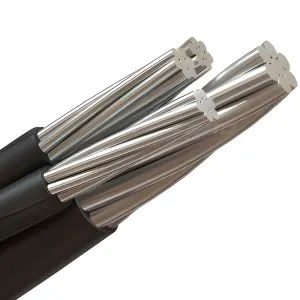
ABC Overhead Cable 11kV, Triplex Style, XLPE Insulated Aluminum Conductor for 3-Phase Power Distribution
Klasifikasi mereka: Kabel saluran terisolasi overheadTampilan: 255Nomor:Waktu rilis: 2025-08-29 05:42:54The 11kV Triplex-style ABC (Aerial Bundled Cable) overhead cable is a high-efficiency power transmission product specifically designed for medium-voltage three-phase power distribution systems. Adopting a Triplex (three-core) integrated structure, paired with high-purity aluminum conductors and XLPE (Cross-Linked Polyethylene) insulation layers, it has a rated voltage of 11kV, accurately adapting to the three-phase power transmission needs of medium-voltage distribution networks below 35kV. It is widely used in urban medium-voltage distribution backbone lines, high-voltage power supply lines in industrial parks, power grid connection projects in urban-rural fringe areas, and medium-voltage power coverage projects in remote areas. Its integrated three-core design simplifies line layout, and the combination of the high-voltage resistance of XLPE insulation and the lightweight advantage of aluminum conductors not only ensures transmission safety and stability in medium-voltage scenarios but also reduces pole load and construction costs. It has become a core component in the medium-voltage three-phase power distribution field, especially suitable for scenarios with high requirements for transmission efficiency, space occupation, and operation and maintenance convenience. In terms of core specifications and structural design, the cable’s rated voltage of 11kV complies with medium-voltage distribution system standards, enabling it to stably carry high-voltage transmission tasks of three-phase alternating current and cope with power grid load fluctuations (such as the start-stop of industrial park production equipment and urban electricity consumption peaks), avoiding insulation failure or line faults caused by voltage breakdown. The Triplex three-core structure is its key design: three insulated conductors are integrated into the same cable bundle, serving as phases A, B, and C of the three-phase circuit respectively. There is no need to erect three independent cables separately, which greatly reduces the number of overhead lines and occupied space, decreases the usage of supporting facilities such as poles and fittings (reducing the number of poles by more than 50% compared to traditional single-core cables), and shortens the construction period. The conductors are made of high-purity electrolytic aluminum (purity ≥99.5%), and some models undergo alloying treatment (adding magnesium and silicon elements) to improve mechanical strength and corrosion resistance. The conductivity can reach more than 61% IACS (International Annealed Copper Standard), ensuring current transmission efficiency in medium-voltage scenarios. At the same time, its density is only 1/3 that of copper, significantly reducing the cable’s self-weight (the weight per unit length is more than 60% lighter than copper conductor cables), reducing the load pressure on poles, and being suitable for overhead lines with larger spans (maximum span up to 120 meters or more). The XLPE insulation layer is the core guarantee for the cable to adapt to medium-voltage scenarios. Compared with traditional PE or PVC insulation, it has excellent high-voltage resistance and weather resistance: in terms of electrical performance, XLPE has extremely low dielectric loss (usually <0.002) and high insulation resistance (>1000MΩ·km), which can effectively isolate 11kV high voltage and reduce energy loss during current transmission. It is especially suitable for medium-voltage long-distance power transmission (such as tens of kilometers of distribution lines in urban-rural fringe areas), reducing the line loss rate; in terms of temperature resistance, XLPE can operate at a long-term temperature of up to 90℃ and a short-term overload temperature of up to 130℃, capable of withstanding heat shocks caused by high-temperature exposure in summer and short-term overload of medium-voltage lines, avoiding softening and deformation of the insulation layer; in terms of weather resistance, XLPE forms a three-dimensional network molecular structure after cross-linking treatment, with significantly enhanced UV resistance and ozone aging resistance. In outdoor overhead environments, it can resist insulation embrittlement caused by wind and rain erosion and sudden temperature changes (-40℃ to 90℃), with a service life of more than 25 years, far exceeding that of traditional insulation materials, and reducing the operation and maintenance frequency and cost of medium-voltage lines. In addition, XLPE also has good chemical corrosion resistance, which can resist acid-base pollutants in industrial areas and salt spray erosion in coastal areas, expanding the cable’s adaptability in complex environments. From the perspective of scenario adaptability and practical advantages, the characteristics of this cable make it widely applicable in the medium-voltage three-phase power distribution field. In urban medium-voltage distribution backbone lines, the Triplex three-core structure can reduce the occupation of urban space and avoid the visual clutter caused by the erection of multiple single-core cables, adapting to the aesthetic needs of urban infrastructure; in high-voltage power supply lines of industrial parks, the high-voltage resistance and temperature resistance of XLPE insulation can adapt to the intermittent high-load operation of high-power equipment in workshops, ensuring the continuity of production electricity; in power grid connection projects in urban-rural fringe areas, the lightweight and long-span capabilities of aluminum conductors can reduce the occupation of farmland and roads, and reduce the interference of construction on the surrounding environment; in medium-voltage power coverage scenarios in remote areas, the weather resistance and corrosion resistance of the cable can adapt to harsh natural environments such as mountainous areas and plateaus, reducing the workload of later maintenance and lowering the operation and maintenance costs in remote areas. In terms of quality assurance, this cable strictly complies with international and domestic medium-voltage overhead cable standards (such as IEC 60502-2 and GB/T 14049), with full-process quality control: in the conductor link, aluminum conductors must pass conductivity, tensile strength, and corrosion resistance tests to ensure they meet the mechanical and electrical requirements of medium-voltage transmission; XLPE insulation materials must pass 1000-hour thermal aging, UV resistance, dielectric loss, and high-voltage breakdown resistance tests (no breakdown for 1 minute under 18kV voltage); the three-core integration process uses automated equipment to accurately control the conductor spacing (3-5mm) and insulation layer thickness (insulation thickness for 11kV grade ≥3.0mm, error ±0.1mm), avoiding insulation weak points caused by defects such as bubbles and impurities. The finished product testing includes voltage withstand test (no breakdown for 1 minute under 11kV rated voltage), insulation resistance test, partial discharge test (partial discharge capacity ≤10pC), conductor DC resistance test, and weather resistance test (simulating 5000 hours of outdoor aging). Only after all tests are qualified can the product leave the factory. In addition, the cable also passes medium-voltage line special tests, such as lightning impulse test (withstanding 100kV impulse voltage) and short-circuit current test, to ensure safe operation under extreme working conditions and provide a solid guarantee for the stability of the medium-voltage three-phase power distribution system. Generally speaking, the 11kV Triplex-style ABC overhead cable, with its integrated Triplex three-core design, high-voltage and weather-resistant performance of XLPE insulation, and lightweight advantage of aluminum conductors, perfectly solves the problems of complex erection, large space occupation, and high operation and maintenance costs of traditional medium-voltage single-core cables. It can not only meet the high-voltage and high-reliability requirements of medium-voltage three-phase power distribution but also adapt to construction and operation requirements in different environments. It provides an efficient, safe, and economical solution for medium-voltage power transmission in cities, industrial parks, urban-rural fringe areas, and remote areas, promoting the upgrading of medium-voltage power distribution infrastructure towards higher efficiency, reliability, and environmental protection. -
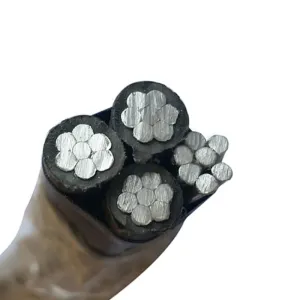
Triplex ABC Service Drop Cable, Aluminum Conductor, 2/4/6 AWG, XLPE Insulated 600V, with Bare Neutral Messenger for Overhead 3-Phase Service
Klasifikasi mereka: Kabel saluran terisolasi overheadTampilan: 297Nomor:Waktu rilis: 2025-08-29 05:54:20This Triplex ABC Service Drop Cable is a high-efficiency power transmission product specifically designed for low-voltage three-phase overhead distribution terminal scenarios. With a rated voltage of 600V, it adopts a triplex (three-core) integrated structure, paired with high-purity aluminum conductors of 2/4/6 AWG (American Wire Gauge) specifications, uses XLPE (Cross-Linked Polyethylene) as the insulation layer, and integrates a bare neutral messenger. It accurately adapts to the terminal connection needs of low-voltage three-phase overhead distribution and is widely used in scenarios such as three-phase service drop for urban and rural residential communities, three-phase power supply for commercial buildings (e.g., shopping malls, office buildings), terminal power distribution for industrial park workshops, and three-phase user power access in remote areas. Its bare neutral messenger design combines mechanical load-bearing and current balancing functions, multi-specification conductors adapt to different load requirements, and XLPE insulation ensures outdoor weather resistance, making it a core component with both practicality and economy in the field of low-voltage three-phase terminal distribution. It is especially suitable for scenarios with high requirements for installation efficiency, space occupation, and long-term reliability. In terms of core specifications and structural design, the cable’s rated voltage of 600V complies with low-voltage distribution terminal standards, enabling it to stably carry the terminal transmission task of three-phase alternating current and cope with load fluctuations at the user end (such as the start-stop of air conditioners in commercial buildings and the switching of equipment in industrial parks), avoiding insulation breakdown or conductor overheating caused by voltage overload. The triplex (three-core) structure is its key design: three insulated aluminum conductors serve as phases A, B, and C of the three-phase circuit respectively, integrated into the same cable bundle. There is no need to erect three independent cables separately, which greatly reduces the number of overhead lines and occupied space, lowers the usage of poles and fittings during terminal connection (reducing supporting facility costs by more than 60% compared to traditional single-core cables), and shortens the construction period. The conductor specifications cover 2/4/6 AWG, with different specifications corresponding to different current-carrying capacities: 2 AWG conductors have the highest current capacity, suitable for high-power three-phase equipment (e.g., motors in industrial workshops); 4 AWG is suitable for medium-load scenarios (e.g., central air conditioners in commercial buildings); 6 AWG is suitable for low-load terminals (e.g., three-phase service drop for residential communities), allowing users to flexibly select based on actual loads. The integrated design of the bare neutral messenger is a prominent advantage of this cable, combining the dual functions of a neutral wire and mechanical load-bearing: as a neutral wire, its bare aluminum material (consistent with the conductor material) can balance three-phase current, avoiding terminal voltage instability caused by neutral wire overload; as a messenger, its thickened design (usually 1-2 specifications thicker than phase conductors) has high tensile strength (≥80MPa), which can bear the cable’s own weight and outdoor wind load. There is no need to install additional load-bearing poles or stay wires, simplifying the terminal connection line structure. It is especially suitable for short-distance connection from overhead main lines to building exteriors or user electricity meters (maximum connection span up to 50 meters or more). The surface of the bare conductor has undergone anti-oxidation treatment, which can resist oxidative corrosion in the outdoor environment, ensuring long-term electrical conductivity and load-bearing stability. The XLPE insulation layer provides the cable with excellent outdoor weather resistance and electrical performance, with significant advantages compared to traditional PE or PVC insulation: in terms of electrical performance, XLPE has extremely low dielectric loss (usually <0.002) and high insulation resistance (>1000MΩ·km), which can effectively isolate 600V voltage, reduce energy loss during terminal transmission, and lower user electricity costs; in terms of temperature resistance, XLPE can operate at a long-term temperature of up to 90℃ and a short-term overload temperature of up to 130℃, capable of withstanding high-temperature exposure in summer and current peaks during terminal electricity consumption peaks, avoiding softening and deformation of the insulation layer; in terms of weather resistance, XLPE forms a three-dimensional network molecular structure after cross-linking treatment, with strong UV resistance and ozone aging resistance. It is not prone to insulation embrittlement and cracking even after long-term outdoor use (more than 20 years), reducing the operation and maintenance frequency and cost of terminal lines. In addition, XLPE also has good chemical corrosion resistance, which can resist acid-base pollutants in industrial areas and salt spray erosion in coastal areas, expanding the cable’s adaptability in complex environments. From the perspective of scenario adaptability and practical advantages, the characteristics of this cable make it widely applicable in low-voltage three-phase terminal distribution. In urban and rural residential communities, 6 AWG specification cables can meet the three-phase service drop needs of multiple households, and the load-bearing function of the bare neutral messenger simplifies the connection from the community’s overhead main line to residential buildings; in commercial buildings, 4 AWG specifications can provide stable power supply for three-phase power equipment such as central air conditioners and elevators, and the triplex integrated structure reduces the space occupied by lines on the building exterior wall; in the terminal power distribution of industrial park workshops, 2 AWG specifications adapt to high-power production equipment, and the temperature resistance of XLPE insulation can cope with the intermittent high-load operation of equipment; when accessing three-phase users in remote areas, the cable’s weather resistance and lightweight design (the density of aluminum conductors is only 1/3 of copper) can reduce the construction difficulty in mountainous and hilly areas, accelerating the speed of power coverage. In terms of quality assurance, this cable strictly complies with international and domestic low-voltage cable standards (such as IEC 60502-2 and UL 44), with full-process quality control: in the conductor link, aluminum conductors must pass conductivity (≥61% IACS), tensile strength, and anti-oxidation tests to ensure they meet the mechanical and electrical requirements of terminal transmission; XLPE insulation materials must pass 1000-hour thermal aging, UV resistance, dielectric loss, and voltage breakdown resistance tests (no breakdown for 1 minute under 1.5 times the rated voltage); the triplex integration and bare neutral messenger composite process use automated equipment to accurately control the conductor spacing (2-3mm) and insulation layer thickness (the insulation thickness corresponding to 2/4/6 AWG conductors is 1.5mm, 1.2mm, and 1.0mm respectively, with an error of ±0.1mm), avoiding insulation weak points caused by defects such as bubbles and impurities. The finished product testing includes voltage withstand test (no breakdown for 1 minute under 600V rated voltage), insulation resistance test, tensile strength test of the bare neutral messenger, and weather resistance test (simulating 5000 hours of outdoor aging). Only after all tests are qualified can the product leave the factory. In addition, the cable also passes terminal connection special tests, such as bending fatigue test (simulating repeated bending during connection construction) and terminal connection reliability test, ensuring safety and stability in terminal use. Generally speaking, with the combined advantages of triplex integrated structure, multi-specification aluminum conductors, bare neutral messenger, and XLPE insulation, the 600V Triplex ABC Service Drop Cable perfectly solves the problems of complex lines, cumbersome construction, and high operation and maintenance costs of traditional low-voltage three-phase terminal connection. It can not only meet the power supply needs of terminals with different loads but also adapt to connection scenarios in various environments. It provides an efficient, safe, and economical solution for low-voltage three-phase terminal distribution, promoting the upgrading of the low-voltage distribution terminal link towards higher efficiency, reliability, and environmental protection. -
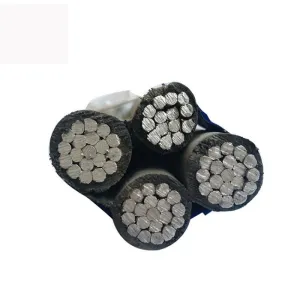
0.6/1kV ABC Aerial Bundle Cable, Aluminum Alloy Conductor, for Service Drop (Triplex: 2 Insulated + 1 Bare Messenger), XLPE Insulated
Klasifikasi mereka: Kabel saluran terisolasi overheadTampilan: 289Nomor:Waktu rilis: 2025-08-29 06:29:51This 0.6/1kV ABC aerial bundled cable is a high-efficiency power transmission product specifically designed for low-voltage power distribution service drop scenarios. It adopts a special triplex structure—2 insulated aluminum alloy conductors + 1 bare aluminum alloy messenger—paired with an XLPE (Cross-Linked Polyethylene) insulation layer, and has a rated voltage of 0.6/1kV (0.6kV phase voltage, 1kV line voltage). It accurately adapts to the terminal connection needs of low-voltage overhead power distribution networks and is widely used in scenarios such as service drop for urban and rural residential communities, branch power supply for commercial buildings (e.g., supermarkets, office buildings), terminal power distribution for industrial park workshops, and power access for users in remote areas. Its triplex structure of "2 insulated + 1 bare messenger" combines power transmission and mechanical load-bearing functions. The lightweight and corrosion-resistant advantages of aluminum alloy conductors, combined with the weather resistance of XLPE insulation, not only simplify the service drop construction process but also reduce long-term operation and maintenance costs. It has become a core choice with both practicality and economy in the low-voltage service drop field, especially suitable for terminal power distribution scenarios with high requirements for line stability, installation efficiency, and environmental adaptability. In terms of core specifications and structural design, the cable’s rated voltage of 0.6/1kV strictly complies with low-voltage power distribution standards, enabling it to stably carry the regular electricity load of terminal users (such as the clustered operation of household appliances and intermittent startup of commercial equipment). It can cope with voltage fluctuations during peak electricity consumption and avoid insulation breakdown or conductor overheating caused by overload. The unique triplex structure is its core competitiveness: 2 insulated aluminum alloy conductors serve as phase conductors, responsible for transmitting two phases (or single-phase two-wire) of three-phase current to meet the power needs of terminal users; 1 bare aluminum alloy messenger has dual functions—on the one hand, it acts as a neutral wire to balance current and avoid terminal voltage instability, and on the other hand, with its thickened design (the cross-section is usually 1-2 sizes larger than that of phase conductors), it bears the cable’s own weight, outdoor wind load, and ice load. There is no need to install additional load-bearing poles or stay wires, which greatly simplifies the connection structure from the overhead main line to the user terminal. The maximum connection span can reach more than 60 meters, reducing the occupation of surrounding space (compared with the traditional method of separately setting phase conductors and messengers, the line space occupation is reduced by more than 70%). The selection of aluminum alloy conductors brings outstanding advantages to the cable. Different from traditional pure aluminum conductors, by adding alloy elements such as magnesium and silicon (magnesium content 0.5%-0.8%, silicon content 0.2%-0.5%), it maintains high conductivity (≥58% IACS) while significantly improving mechanical strength and corrosion resistance: the tensile strength can reach more than 100MPa, which is 30% higher than that of pure aluminum conductors, and can better adapt to stretching and bending during service drop construction; the corrosion resistance is enhanced, especially in coastal humid areas and industrial dust areas, which can effectively resist oxidation and chemical erosion, extending the service life of the conductor to more than 25 years. At the same time, the density of aluminum alloy is only 2.7g/cm³, which is equivalent to pure aluminum (much lower than copper’s 8.9g/cm³), significantly reducing the cable’s self-weight (the weight per unit length is more than 60% lighter than that of copper conductor cables of the same specification). This reduces the support burden during connection, and installation can be completed without heavy lifting equipment, improving construction efficiency. The XLPE insulation layer is a key guarantee for the cable to adapt to the outdoor service drop environment. Compared with traditional PE or PVC insulation, it has multiple performance advantages: in terms of electrical performance, XLPE has extremely low dielectric loss (usually <0.002) and high insulation resistance (>1000MΩ·km), which can effectively isolate 0.6/1kV voltage, reduce energy loss during current transmission, and lower the electricity cost of terminal users; in terms of temperature resistance, XLPE can operate at a long-term temperature of up to 90℃ and a short-term overload temperature of up to 130℃, which can withstand high-temperature exposure in summer (still operating stably when the outdoor surface temperature exceeds 60℃) and severe cold in winter (no embrittlement at -40℃), adapting to temperature changes in different climate regions; in terms of weather resistance, XLPE forms a three-dimensional network molecular structure after cross-linking treatment, with significantly enhanced UV resistance and ozone aging resistance. It is not prone to insulation embrittlement and cracking even after long-term outdoor use (more than 20 years), reducing power outage faults caused by insulation failure. In addition, XLPE insulation also has good water resistance, which can prevent rainwater from seeping into the conductor gap and causing short circuits even in heavy rain, further improving the operation stability of the service drop. From the perspective of scenario adaptability and practical advantages, the characteristics of this cable make it widely applicable in low-voltage service drop scenarios. In urban and rural residential communities, its lightweight design facilitates connection from the community’s overhead main line to the outer wall of residential buildings, and the load-bearing function of the bare messenger eliminates the need to install additional brackets on the building’s outer wall, reducing the impact on the building’s appearance; in commercial buildings, the temperature resistance of XLPE insulation can adapt to the intermittent high-load operation of equipment such as shopping mall air conditioners and elevators, avoiding insulation overheating and aging; in the terminal power distribution of industrial park workshops, the corrosion resistance of aluminum alloy conductors can resist dust and chemical volatiles in the workshop, ensuring the continuity of power supply for the production line; when accessing users in remote areas, the weather resistance and long-span capability of the cable can reduce the number of poles set up in mountainous and hilly areas, lower construction difficulty, and accelerate the speed of power coverage (compared with traditional service drop methods, the construction period is shortened by more than 40%). In terms of quality assurance, this cable strictly complies with international and domestic low-voltage cable standards (such as IEC 60502-2 and GB/T 14049), with full-process quality control: in the conductor link, the aluminum alloy material must pass conductivity, tensile strength, and corrosion resistance tests (no obvious corrosion after 500 hours of salt spray test) to ensure it meets the mechanical and electrical requirements of service drop; the XLPE insulation material must pass 1000-hour thermal aging, UV resistance, dielectric loss, and voltage breakdown resistance tests (no breakdown for 1 minute under 1.5 times the rated voltage); the triplex integration process uses automated equipment to accurately control the spacing between insulated cores and bare messenger (2-3mm) and the thickness of the insulation layer (1.2mm-1.8mm, error ±0.1mm), avoiding insulation weak points caused by defects such as bubbles and impurities. The finished product testing includes voltage withstand test (no breakdown for 1 minute under 0.6/1kV rated voltage), insulation resistance test, tensile strength test of the bare messenger, and weather resistance test (simulating 5000 hours of outdoor aging). Only after all tests are qualified can the product leave the factory. In addition, the cable also passes service drop special tests, such as bending fatigue test (no damage after 50 repeated bends during simulation construction) and terminal connection reliability test (no overheating after 1 hour of current flow after connection), ensuring safety and stability in terminal use. Generally speaking, the 0.6/1kV ABC aerial bundled cable (aluminum alloy conductor, triplex service drop structure, XLPE insulation) perfectly solves the problems of complex lines, cumbersome construction, and high operation and maintenance costs of traditional low-voltage service drops by virtue of its unique "2 insulated + 1 bare messenger" design, the performance advantages of aluminum alloy conductors, and the weather resistance of XLPE insulation. It can not only meet the power supply needs of different terminal scenarios but also adapt to connection challenges in various environments. It provides an efficient, safe, and economical solution for the low-voltage power distribution terminal link, promoting the upgrading of low-voltage service drop technology towards a more integrated, reliable, and environmentally friendly direction. -
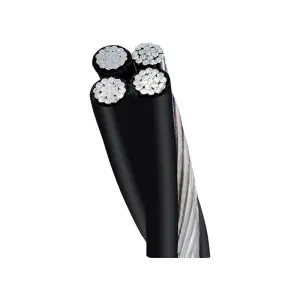
0.6/1kV Aerial Bundled Cable (ABC), Aluminum Conductor, XLPE Insulated, 3x25+1x16 mm²
Klasifikasi mereka: Kabel saluran terisolasi overheadTampilan: 269Nomor:Waktu rilis: 2025-08-29 07:37:25As a core transmission carrier in low-voltage power distribution networks, the 0.6/1kV Aerial Bundled Cable (ABC) plays a crucial role in urban and rural power grid upgrades, industrial park power supply, and power coverage in remote areas. The 3x25+1x16 mm² specification product focused on here, with aluminum as the conductor and cross-linked polyethylene (XLPE) as the insulation material, has become a preferred solution balancing reliability and economy through its precise structural design and excellent performance, fully adapting to the practical needs of various low-voltage overhead power distribution scenarios. In terms of structure and specifications, this cable adopts a "3+1" core configuration, where 3 main core conductors have a cross-sectional area of 25mm² and 1 neutral core conductor has a cross-sectional area of 16mm². This differentiated design not only meets the current-carrying requirements for three-phase power supply but also optimizes material costs by reasonably controlling the specification of the neutral core. The conductor is made of high-purity aluminum with a purity of over 99.5%. While ensuring stable electrical conductivity, it significantly reduces material costs by approximately 40%-50% compared to copper conductors. Moreover, the low density of aluminum (2.7g/cm³) effectively reduces the cable's self-weight, lowering the load-bearing pressure on overhead line poles and towers, and indirectly reducing infrastructure investment in engineering construction. In addition, the aluminum conductor undergoes a special stranding process, using concentric stranding or bunch stranding methods, which not only improves the flexibility of the conductor (facilitating bending and wiring during construction) but also enhances its fatigue resistance, enabling it to better withstand mechanical stresses caused by wind and temperature changes in outdoor environments. The insulation layer uses cross-linked polyethylene (XLPE) material, which is one of the core supports for the cable's performance advantages. After modification through cross-linking technology, XLPE insulation material outperforms ordinary polyethylene (PE) in multiple aspects: Firstly, it has excellent electrical insulation performance, with a breakdown field strength of over 25kV/mm, allowing long-term stable operation at the 0.6/1kV voltage level, effectively isolating current leakage between cores and ensuring power supply safety. Secondly, its heat resistance is significantly improved, with a long-term allowable operating temperature of up to 90℃ and a short-term overload temperature of up to 130℃. Compared with PE-insulated cables with an operating temperature of 70℃, it can better cope with overload conditions during high summer temperatures or peak electricity consumption, reducing the risk of insulation aging due to overheating. Thirdly, it has stronger weather resistance and chemical corrosion resistance, capable of withstanding UV radiation, rain erosion, high-low temperature alternations (-40℃ to 90℃), and chemical gas erosion in industrial environments, preventing problems such as cracking and aging of the insulation layer and extending the cable's service life to more than 20 years. Meanwhile, XLPE material has high mechanical strength, outstanding tensile and wear resistance, reducing the risk of faults caused by external damage during construction and operation and maintenance. In terms of application scenarios, the cable has wide and precise adaptability. In urban and rural power grid transformation projects, its "bundled" design integrates phase wires and neutral wires into the same cable system, eliminating the need for additional independent brackets for phase and neutral wires, greatly simplifying the construction process and improving construction efficiency by approximately 30%. It is particularly suitable for environments with dense farmland and roads in rural areas, avoiding damage to crops or infrastructure caused by ground excavation. In low-voltage power distribution in industrial parks, the high-temperature resistance and chemical corrosion resistance of XLPE insulation can cope with high-temperature environments and potential chemical pollutants in industrial production, and the large current-carrying capacity of the 25mm² main core can meet the power supply needs of small and medium-sized mechanical equipment. In the power distribution networks of commercial complexes or residential areas, the stable performance of this cable ensures the continuity of residents' daily electricity use and the operation of commercial equipment, and its compact structural design reduces the impact of overhead lines on the urban landscape. Additionally, in temporary power supply scenarios (such as large-scale outdoor events and emergency disaster relief power supply), the lightweight nature of the aluminum conductor and the flexibility of the cable facilitate rapid transportation and erection, enabling the establishment of a reliable power supply line in a short period. From the perspective of balancing performance and cost, this cable demonstrates significant advantages. In addition to the direct cost advantage brought by the aluminum conductor, the long-term durability of XLPE insulation also reduces later operation and maintenance costs—its excellent anti-aging performance reduces the frequency of cable replacement, and the insulation layer is not easily damaged, lowering the number and cost of fault repairs. At the same time, this cable strictly complies with national standards such as GB/T 12527-2008 "Overhead Insulated Cables for Rated Voltage of 1kV and Below" and the international standard IEC 60502-1. It meets high industry standards in key indicators such as conductor DC resistance (DC resistance of 25mm² aluminum conductor ≤1.15Ω/km, DC resistance of 16mm² aluminum conductor ≤1.83Ω/km), insulation resistance (≥10¹²Ω·m), and voltage withstand strength, ensuring that power supply safety and operational stability are not sacrificed while controlling costs. In conclusion, the 0.6/1kV Aerial Bundled Cable (ABC) (Aluminum Conductor, XLPE Insulated, 3x25+1x16 mm²) has become an efficient solution in the field of low-voltage overhead power distribution with its scientific specification design, high-quality material selection, and comprehensive performance advantages. It can not only meet the cost control and reliability requirements of large-scale scenarios such as urban and rural power grid construction and industrial power supply but also adapt to the usage requirements of flexible scenarios such as temporary power supply, which is of great significance for promoting the efficient upgrading and wide coverage of low-voltage power distribution networks. -
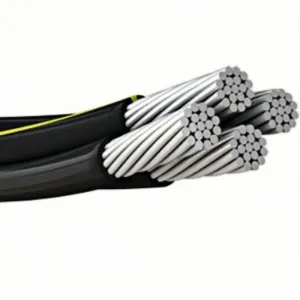
0.6/1kV 4 Core ABC Aerial Bundled Cable, Aluminum Conductor, 4x95 mm², XLPE Insulated
Klasifikasi mereka: Kabel saluran terisolasi overheadTampilan: 367Nomor:Waktu rilis: 2025-08-29 07:48:02In medium and low-voltage power distribution networks, cables with a voltage rating of 0.6/1kV serve as key hubs connecting substations to high-load end-users. The 4-core Aerial Bundled Cable (ABC), characterized by its "multi-core integration and overhead installation" feature, has become a core solution for scenarios requiring high current capacity, such as industrial parks, large residential communities, and commercial complexes. The 4x95 mm² specification product focused on here, with high-purity aluminum as the conductor and cross-linked polyethylene (XLPE) as the insulation material, achieves the triple advantages of "high current-carrying capacity, strong environmental adaptability, and long service life" through scientific structural design and high-quality material selection, fully adapting to the practical needs of various medium and high-load low-voltage overhead power distribution scenarios. In terms of specifications and structure, this cable adopts a 4-core equal cross-sectional design, with each conductor having a cross-sectional area of 95 mm². This uniform configuration differs from the traditional "main core + small cross-sectional neutral core" model, making it more suitable for three-phase four-wire power distribution systems with large unbalanced currents or frequent load switching, such as power supply for industrial production lines and central air-conditioning systems in large commercial centers. The conductor is made of high-purity aluminum with a purity of ≥99.5%, manufactured through a concentric stranding process of multiple thin aluminum wires. During the stranding process, the lay length (usually 12-18 times the conductor outer diameter) is strictly controlled, which not only improves the flexibility of the conductor (facilitating bending and installation between poles and towers during construction) but also enhances the fatigue resistance of the conductor, enabling it to withstand mechanical stresses caused by wind and temperature changes during long-term overhead operation. Compared with copper conductors of the same cross-section, aluminum conductors reduce material costs by approximately 45%-55%, and their density is only about 1/3 of that of copper, significantly reducing the cable's self-weight (the weight of a 4-core 95 mm² aluminum conductor cable per kilometer is approximately 35% of that of a copper conductor cable of the same specification). This reduces the load-bearing pressure on poles and towers, indirectly lowering the investment cost of infrastructure such as poles and brackets in the project. The insulation layer uses cross-linked polyethylene (XLPE) material, which is the core support for the cable's performance advantages. XLPE forms a three-dimensional network molecular structure through a chemical cross-linking process, and its performance is far superior to that of ordinary polyethylene (PE): Firstly, it has excellent electrical insulation performance, with a breakdown field strength of over 28kV/mm, far higher than the insulation requirements of the 0.6/1kV voltage level, which can effectively isolate current leakage between the 4 cores and avoid short-circuit faults caused by insulation failure. Secondly, its heat resistance is significantly improved, with a long-term allowable operating temperature of up to 90℃ and a short-term overload temperature of up to 130℃ (duration ≤5 seconds). Compared with the long-term operating temperature of 70℃ for PE-insulated cables, it can better cope with short-term large current impacts during peak summer electricity consumption or equipment startup, reducing the rate of insulation aging. Thirdly, it has stronger weather resistance and chemical corrosion resistance, capable of withstanding extreme temperature changes from -40℃ to 90℃, UV radiation, acid-base gases in industrial environments, and salt spray erosion in coastal areas, avoiding problems such as cracking and embrittlement of the insulation layer and extending the cable's service life to more than 25 years (the service life of ordinary PE-insulated cables is about 15 years). At the same time, XLPE insulation has excellent mechanical strength, with a tensile strength of 18MPa and wear resistance 2-3 times that of PE, which can reduce the risk of faults caused by external damage during construction and operation and maintenance. In terms of application scenarios, the cable's adaptability accurately covers medium and high-load low-voltage power distribution needs: In large industrial parks, the current-carrying capacity of 4x95 mm² (each core can continuously carry a current of up to 260A at a working temperature of 90℃) can meet the power supply needs of multiple production lines, and the chemical resistance of XLPE insulation can resist oil pollution and dust contamination in the park. In large residential communities (such as residential districts with more than 1,000 households), its three-phase four-wire design can evenly distribute the residential electricity load, avoid voltage fluctuations caused by load imbalance, and ensure the normal operation of household appliances. Moreover, the overhead bundled structure does not require ground excavation for laying, reducing damage to community roads and greenery. In commercial complexes (such as shopping malls and office buildings), the lightweight nature of the cable facilitates capacity expansion and laying on poles around existing buildings, meeting the power supply needs of centralized electrical equipment such as air conditioners, elevators, and lighting. In the upgrading of power distribution networks in suburban areas, this cable can not only adapt to the complex climate conditions in suburban areas (such as high summer temperatures and low winter temperatures) but also support the growth of electricity consumption of newly added industrial and commercial users in suburban areas through its high current-carrying capacity, contributing to the upgrading of regional power infrastructure. From the perspective of balancing performance and cost, this cable demonstrates significant comprehensive advantages. In addition to the direct cost advantage brought by aluminum conductors, the long-term durability of XLPE insulation greatly reduces later operation and maintenance costs—its anti-aging performance reduces the frequency of cable replacement (the number of replacements during the life cycle is only 1/2 of that of ordinary PE-insulated cables), and the insulation layer is not easily damaged, reducing the annual operation and maintenance inspection cost by approximately 30%. At the same time, this cable strictly complies with the national standard GB/T 12527-2008 "Overhead Insulated Cables for Rated Voltage of 1kV and Below" and the international standard IEC 60502-1, and meets high industry standards in key performance indicators: the conductor DC resistance is ≤0.21Ω/km (at 20℃), the insulation resistance is ≥10¹²Ω·m, and after 1,000 hours of UV aging testing, the insulation tensile strength retention rate is ≥80%, ensuring that power supply safety and operational stability are not sacrificed while controlling costs. In conclusion, the 0.6/1kV 4-Core Aerial Bundled Cable (ABC) (Aluminum Conductor, 4x95 mm², XLPE Insulated) has become an efficient solution in the field of medium and high-load low-voltage overhead power distribution with its scientific specification design, high-quality material selection, and comprehensive performance advantages. It can not only meet the high current-carrying needs of industrial, commercial, large residential community and other scenarios but also reduce the full-life cycle cost through cost control and long-term durability, which is of great significance for promoting the development of low-voltage power distribution networks towards "high reliability, low cost, and long service life". -
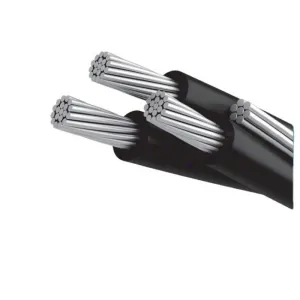
0.6/1kV Triplex ABC Aerial Bundled Cable, Aluminum Conductor, 3x16 mm², XLPE Insulated
Klasifikasi mereka: Kabel saluran terisolasi overheadTampilan: 247Nomor:Waktu rilis: 2025-08-29 08:02:41In low-voltage power distribution networks, for medium-load scenarios such as small and medium-sized communities, rural power grids, and commercial street shops, the 0.6/1kV Triplex Aerial Bundled Cable (ABC) has become an ideal choice balancing power supply reliability and cost-effectiveness due to its compact "three-core integration and overhead installation" design. The 3x16 mm² specification product focused on here, with high-purity aluminum as the conductor and cross-linked polyethylene (XLPE) as the insulation material, achieves the core advantages of "medium current-carrying capacity, strong environmental adaptability, and convenient installation" through precise structural optimization and material upgrading. It can efficiently adapt to the practical needs of various medium-load low-voltage overhead power distribution scenarios, providing stable support for regional power transmission. In terms of specifications and structure, this cable adopts a three-core equal cross-sectional design, with each conductor having a cross-sectional area of 16 mm². It is suitable for three-phase three-wire power distribution systems, especially for scenarios requiring high three-phase current balance, such as mixed power supply for power and lighting in small processing plants and multi-story residential communities. The conductor is made of high-purity aluminum with a purity of ≥99.5%, manufactured through a concentric stranding process of multiple thin aluminum wires. The stranding lay length is strictly controlled between 12-16 times the conductor outer diameter, which not only improves the flexibility of the conductor (facilitating bending and installation between poles in complex terrains such as rural areas with many trees and narrow spaces along urban streets) but also enhances the fatigue resistance of the conductor, enabling it to withstand mechanical stresses caused by wind vibration and temperature alternations (-40℃ to 90℃) during long-term overhead operation. Compared with copper conductors of the same cross-section, aluminum conductors reduce material costs by approximately 40%-50%, and their density is only 27% of that of copper. The weight of a 3-core 16 mm² aluminum conductor cable per kilometer is about 30% of that of a copper conductor cable of the same specification, significantly reducing the load-bearing pressure on poles and towers, and reducing the investment in infrastructure such as poles and brackets in the project. It is particularly suitable for rural power grid transformation and community power distribution upgrading projects with limited budgets. The insulation layer uses cross-linked polyethylene (XLPE) material, which is a key support for the cable's performance advantages. XLPE forms a three-dimensional network molecular structure through chemical cross-linking, and its performance is far superior to that of ordinary polyethylene (PE): Firstly, it has excellent electrical insulation performance, with a breakdown field strength of over 26kV/mm, far higher than the insulation requirements of the 0.6/1kV voltage level. It can effectively isolate current leakage between the three cores, avoid short-circuit faults caused by insulation failure, and ensure the stable operation of the power distribution network. Secondly, its heat resistance is significantly improved, with a long-term allowable operating temperature of up to 90℃ and a short-term overload temperature of up to 130℃ (duration ≤5 seconds). Compared with the long-term operating temperature of 70℃ for PE-insulated cables, it can better cope with short-term large current impacts during peak summer electricity consumption (such as centralized air conditioning operation) or equipment startup, delay the insulation aging rate, and extend the cable's service life. Thirdly, it has stronger weather resistance and chemical corrosion resistance, capable of withstanding UV radiation, rain erosion, mild oil pollution in industrial areas, and pesticide residue erosion in rural areas, avoiding problems such as cracking and embrittlement of the insulation layer and extending the cable's service life to more than 20 years (the service life of ordinary PE-insulated cables is about 15 years). At the same time, XLPE insulation has outstanding mechanical strength, with a tensile strength of 16MPa and wear resistance more than twice that of PE, which can reduce external damage during construction dragging and erection and lower later operation and maintenance costs. In terms of application scenarios, the cable's adaptability accurately covers medium-load low-voltage power distribution needs: In rural power grid transformation, the current-carrying capacity of 3x16 mm² (each core can continuously carry a current of up to 85A at a working temperature of 90℃) can meet the daily electricity needs of multiple rural households. Its lightweight feature facilitates upgrading and laying on existing low poles and towers without replacing the poles, significantly reducing transformation costs. In multi-story residential communities (6-11 floors), its three-phase three-wire design can evenly distribute building power (elevators, water pumps) and household lighting electricity, avoid voltage fluctuations caused by load imbalance, and ensure the normal operation of household appliances. Moreover, the overhead bundled structure does not require excavating community roads, reducing interference with residents' lives. In commercial street shop areas, the cable's oil-resistant feature can adapt to the oil fume and oil pollution environment of catering shops, and its compact three-core structure can reduce the space occupied by overhead lines, keeping the street landscape neat. In small industrial plants (such as food processing plants and hardware workshops), the heat resistance and mild chemical corrosion resistance of XLPE insulation can cope with the equipment operating temperature and slight dust pollution in the plant area, providing stable power support for production equipment. From the perspective of balancing performance and cost, this cable demonstrates significant comprehensive advantages. In addition to the direct material cost advantage brought by aluminum conductors, the long-term durability of XLPE insulation further reduces the full-life cycle cost—its anti-aging performance reduces the frequency of cable replacement (the number of replacements during the life cycle is only 2/3 of that of ordinary PE-insulated cables), and the insulation layer has a low failure rate, reducing the annual operation and maintenance inspection cost by approximately 25%. At the same time, this cable strictly complies with the national standard GB/T 12527-2008 "Overhead Insulated Cables for Rated Voltage of 1kV and Below" and the international standard IEC 60502-1, and meets high industry standards in key performance indicators: the conductor DC resistance is ≤1.83Ω/km (at 20℃), the insulation resistance is ≥10¹²Ω·m, and after 1,000 hours of UV aging testing, the insulation tensile strength retention rate is ≥80%, ensuring that power supply safety and operational stability are not sacrificed while controlling costs. In conclusion, the 0.6/1kV Triplex ABC Aerial Bundled Cable (Aluminum Conductor, 3x16 mm², XLPE Insulated) has become an efficient solution in the field of medium-load low-voltage overhead power distribution with its scientific specification design, high-quality material selection, and comprehensive performance advantages. It can not only meet the power supply needs of rural power grids, residential communities, commercial streets, small industries and other scenarios but also reduce project investment and operation and maintenance costs through cost control and long-term durability, which is of great significance for promoting the balanced development and efficient upgrading of low-voltage power distribution networks. -
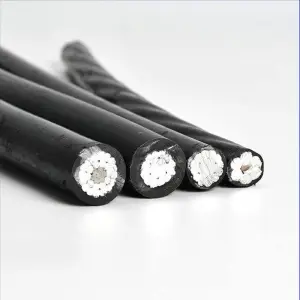
10kV Single Core Overhead Cable, Aluminum Conductor, XLPE Insulated, 16 mm²
Klasifikasi mereka: Kabel saluran terisolasi overheadTampilan: 314Nomor:Waktu rilis: 2025-08-29 09:33:00In medium-voltage power distribution networks, the 10kV voltage level is a key link connecting substations and distribution stations. The 10kV Single Core Overhead Cable (Aluminum Conductor, XLPE Insulated, 16 mm²) has become an ideal choice for urban and rural medium-voltage distribution lines, industrial park power supply dedicated lines, and power transmission in remote areas, thanks to its core advantages of "high-efficiency conductivity, reliable insulation, and adaptability to medium-voltage scenarios". Its design fully considers the electrical performance requirements of medium-voltage overhead environments and complex outdoor conditions. Through material selection and structural optimization, it achieves the comprehensive value of "low loss, anti-aging, and easy installation", and can effectively meet the multiple requirements of medium-voltage distribution systems for safety and stability, long-term durability, and cost-effectiveness. In terms of material and structural design, the cable adopts a core structure of "16 mm² aluminum conductor + XLPE insulation", and each component is accurately optimized for the characteristics of medium-voltage overhead scenarios. The conductor is made of high-purity aluminum with a purity of ≥99.5%, manufactured through a concentric stranding process. The stranding lay length is strictly controlled between 12-16 times the outer diameter of the conductor. This design not only improves the flexibility of the conductor, facilitating bending and installation between poles (such as crossing roads and avoiding obstacles) but also enhances fatigue resistance. It can withstand mechanical stresses caused by wind vibration and temperature alternations (-40℃ to 90℃) in long-term outdoor environments, preventing conductor breakage or deformation. Compared with copper conductors of the same specification, aluminum conductors reduce material costs by 40%-50%, and their density is only 27% of that of copper. The weight of a 16 mm² aluminum conductor cable per kilometer is about 30% of that of a copper conductor cable, significantly reducing the load-bearing pressure on poles and towers, and lowering the investment in infrastructure such as poles and brackets in the project. It is particularly suitable for large-scale medium-voltage overhead line laying. The insulation layer is made of cross-linked polyethylene (XLPE), which forms a three-dimensional network molecular structure through chemical cross-linking. Its performance is far superior to ordinary polyethylene and is the core of ensuring medium-voltage power supply safety: Firstly, it has excellent electrical insulation performance, with a breakdown field strength of over 26kV/mm, far higher than the requirements of the 10kV voltage level. It can effectively isolate current leakage between the conductor and the outside world, avoiding short circuits and ground faults in medium-voltage lines due to insulation failure, and ensuring the stable operation of the distribution system. Secondly, it has outstanding heat resistance, with a long-term allowable operating temperature of up to 90℃ and a short-term overload temperature of up to 130℃ (duration ≤5 seconds). It can cope with short-term large current impacts during peak summer electricity consumption or equipment startup, delaying the insulation aging rate. Thirdly, it has extremely strong weather resistance, capable of withstanding UV radiation, rain erosion, and acid rain corrosion, avoiding cracking and embrittlement of the insulation layer, and extending the cable's service life to more than 25 years (the service life of ordinary PE-insulated medium-voltage cables is about 15 years). At the same time, XLPE insulation has excellent mechanical strength, with a tensile strength of 16MPa and wear resistance more than twice that of ordinary PE, which can reduce external damage during construction and installation, and lower later operation and maintenance costs. In terms of electrical performance, the current-carrying capacity and loss characteristics of the 16 mm² aluminum conductor are fully adapted to the needs of medium-voltage distribution: at a working temperature of 90℃, the continuous current-carrying capacity of the conductor can reach 85A, which can meet the medium-voltage power supply needs of small and medium-sized industrial parks and multiple distribution stations; the DC resistance of the conductor at 20℃ is ≤1.83Ω/km, far lower than the upper limit of industry standards, with low current transmission loss, which can reduce power waste in medium-voltage lines and improve the overall efficiency of the distribution system. In addition, the capacitance and inductance parameters of the cable have been optimized, which can effectively suppress voltage fluctuations and electromagnetic interference in medium-voltage lines, ensuring the stable operation of precision equipment (such as industrial production machinery and intelligent distribution terminals). In terms of application scenarios, the cable's adaptability accurately covers the core fields of medium-voltage distribution: In urban and rural medium-voltage distribution lines, its lightweight feature facilitates upgrading and laying on existing poles without large-scale replacement of poles, reducing grid transformation costs, and the weather resistance of XLPE insulation can adapt to diverse urban and rural climates (such as rainy in the south, cold in the north, and high humidity in coastal areas). In industrial park power supply dedicated lines, the current-carrying capacity of the 16 mm² conductor can meet the production power needs of small and medium-sized factories, and the chemical corrosion resistance of XLPE insulation can resist mild industrial waste gas and dust pollution around the park, avoiding premature aging of the insulation layer. In power transmission in remote areas, the low-loss characteristics of the cable can reduce power waste during long-distance transmission, and the cost advantage of aluminum conductors can reduce the overall investment in power grid construction in remote areas, contributing to universal power access. From the perspective of cost and operation and maintenance, this cable shows significant comprehensive advantages. In addition to the direct material cost advantage brought by aluminum conductors, the long-term durability of XLPE insulation further reduces the full-life cycle cost—its anti-aging performance reduces the frequency of cable replacement (the number of replacements during the life cycle is only 2/3 of that of ordinary PE-insulated cables), and the insulation failure rate is low, reducing the annual operation and maintenance inspection cost by about 30%. At the same time, the cable strictly complies with the national standard GB/T 14049-2018 "Overhead Insulated Cables for Rated Voltage of 10kV" and the international standard IEC 60502-2, and meets high industry standards in key indicators such as conductor DC resistance, insulation resistance, and dielectric loss, ensuring that the safety and stability of medium-voltage power supply are not sacrificed while controlling costs. In conclusion, the 10kV Single Core Overhead Cable (Aluminum Conductor, XLPE Insulated, 16 mm²) has become an efficient solution in the field of medium-voltage overhead power distribution with its scientific material combination, excellent electrical performance, and scenario-based design. It can not only meet the core needs of medium-voltage distribution systems for safety, stability, and durability but also reduce project investment through cost optimization and low operation and maintenance characteristics, which is of great significance for promoting the upgrading of medium-voltage distribution networks and ensuring the reliability of urban, rural, and industrial power supply.
Berita
Kategori:
Tidak ada hasil pencarian!
Kasus
Kategori:
Tidak ada hasil pencarian!
Video
Kategori:
Tidak ada hasil pencarian!
Download
Kategori:
Tidak ada hasil pencarian!
Rekrutmen
Kategori:
Tidak ada hasil pencarian!
Produk yang direkomendasikan
Tidak ada hasil pencarian!



 Telepon
 Surat
Surat