
 English
 Español
 Portugues
 Pусский
 Français
 العربية
 ไทย
ไทย Türk dili
 Tiếng Việt


Power Line
Temukan {kata kunci} grosir & kutipan dari Cina. Kami adalah produsen profesional {kata kunci} perusahaan, pabrik & eksportir berspesialisasi dalam {kata kunci} dengan berkualitas tinggi.
Produk
Kategori:
-
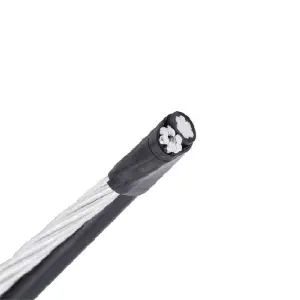
ABC Aerial Bundled Cable 2 Core 25mm² Insulated Overhead Power Line for Electrical Distribution
Klasifikasi mereka: Kabel saluran terisolasi overheadTampilan: 380Nomor:Waktu rilis: 2025-09-03 05:44:57The ABC Aerial Bundled Cable 2 Core 25mm² Insulated Overhead Power Line is a specialized, compact solution engineered for low-voltage electrical distribution, tailored to meet the demands of residential areas, rural electrification projects, and small-scale commercial applications. Unlike traditional overhead cables that rely on separate bare conductors and external support wires, this 2-core ABC cable integrates insulated power conductors into a single bundled structure, delivering enhanced safety, efficiency, and durability—key attributes that make it a preferred choice for utilities, electrical contractors, and infrastructure developers focused on reliable, cost-effective power delivery. By examining its core design, material selection, performance capabilities, and real-world applications, this summary highlights why this cable stands out as a versatile solution for modern overhead distribution systems. At the heart of the cable’s functionality is its 2-core 25mm² conductor configuration, optimized for single-phase power transmission—the standard for most residential and small commercial electrical networks. Each core serves a distinct role: one acts as the live (phase) conductor, and the other as the neutral conductor, creating a complete, self-contained power circuit. The 25mm² cross-sectional area of each conductor is strategically sized to balance current-carrying capacity and practicality. In typical overhead installations, a 25mm² aluminum conductor (the industry standard for this cable type) offers an ampacity of 100–120 amps at 30°C ambient temperature—sufficient to power 8–12 average households (each with a peak load of 8–10 kW) or small commercial spaces like convenience stores or small offices. This capacity ensures the cable can handle daily power demands, including peak usage periods (e.g., morning and evening hours when appliances, lighting, and HVAC systems are in heavy use) without overheating or voltage drop. The insulation system is a critical component that defines the cable’s safety and longevity, particularly in overhead environments exposed to weather, UV radiation, and physical wear. Most variants of this 2-core ABC cable use cross-linked polyethylene (XLPE) or polyvinyl chloride (PVC) insulation, with XLPE being the preferred choice for harsh or long-term applications. XLPE insulation offers superior thermal stability, with a continuous operating temperature range of -40°C to 90°C—far wider than PVC’s 0°C to 70°C range—making it suitable for climates ranging from cold northern regions to hot, humid coastal areas. It also exhibits excellent dielectric strength (20 kV/mm) and resistance to electrical breakdown, minimizing the risk of short circuits caused by moisture ingress or insulation degradation. For less demanding environments (e.g., mild-temperature suburban areas), PVC insulation provides a cost-effective alternative, offering basic protection against dust, dirt, and light moisture while maintaining flexibility for easy installation. The insulation thickness typically ranges from 1.0–1.2mm per core, calibrated to meet low-voltage standards (usually 0.6/1kV, where 0.6kV is phase-to-neutral and 1kV is phase-to-phase) and ensure compliance with international norms like IEC 60502 or ANSI/ICEA S-94-649. A defining feature of this ABC cable is its bundled aerial design, which eliminates the need for separate bare neutral wires and external support hardware common in traditional overhead systems. The two insulated cores are twisted together in a helical pattern (with a twist pitch of 15–20 times the cable’s overall diameter, approximately 300–400mm) to form a single, compact unit. This design offers multiple advantages: first, it reduces wind resistance and ice loading, lowering the risk of cable sag or breakage during storms—critical for areas prone to high winds or heavy snow. Second, the bundled structure prevents accidental contact between live and neutral conductors, a common cause of outages in traditional systems. Third, the insulation eliminates the need for tree trimming around power lines (a major maintenance cost for utilities), as the insulated cores are protected from damage caused by branches or debris. In some variants, a thin, flexible messenger element (often a 16mm² galvanized steel or aluminum-clad steel wire) is integrated into the bundle to provide additional mechanical support, enabling spans of up to 40–50 meters between utility poles—ideal for rural areas where pole spacing is wider. Material selection is optimized for overhead use, with aluminum being the primary conductor material for its balance of performance, cost, and weight. Aluminum conductors are 30% lighter than copper conductors of the same cross-sectional area, reducing the mechanical load on utility poles and support structures. This lighter weight also simplifies installation, as the cable can be handled by smaller crews and requires less heavy lifting equipment. While aluminum has lower electrical conductivity than copper (61% of copper’s conductivity), the 25mm² size compensates for this, ensuring the cable meets ampacity requirements for residential and small commercial use. To address historical concerns about aluminum corrosion, modern conductors are treated with anti-corrosion coatings (e.g., zinc or aluminum oxide) that protect against moisture, salt spray, and industrial pollutants—extending the conductor’s lifespan to 25–30 years. For the insulation, as noted, XLPE or PVC is chosen for its durability and compatibility with overhead conditions: XLPE resists UV degradation and chemical exposure, while PVC offers flexibility and ease of processing. The cable’s application versatility makes it a staple in diverse electrical distribution scenarios. In residential neighborhoods, it is used to distribute power from utility poles to individual homes, replacing older, less safe bare-conductor systems. Its compact design fits easily in dense suburban areas where space between poles is limited, and its insulation reduces the risk of electrical hazards for residents (e.g., children or pets coming into contact with wires). In rural electrification projects, the cable’s ability to span 40–50 meters between poles minimizes the number of poles needed, lowering infrastructure costs and environmental impact (e.g., less land clearing for pole installation). It is also ideal for small commercial applications, such as powering outdoor lighting, irrigation systems, or small retail outlets, where a reliable, low-maintenance overhead solution is required. Additionally, the cable is often used in renewable energy integration, such as connecting small solar installations or wind turbines to the main grid, as its insulation protects against the elements and its ampacity handles the variable output of these systems. Installation and maintenance benefits further enhance the cable’s appeal for utilities and contractors. Installation is streamlined compared to traditional overhead cables: the bundled design means only one cable needs to be strung between poles, reducing labor time by 30–40%. The cable can be installed using standard overhead tools (e.g., tensioners, pulleys, and pole-mounted brackets) and does not require specialized equipment. Maintenance requirements are minimal: the insulated cores eliminate the need for periodic cleaning or corrosion checks of bare conductors, and the bundled structure reduces the risk of damage from wildlife (e.g., squirrels or birds) or vegetation. Routine inspections (typically annual) focus on checking for insulation cracks, cable sag, or damage to the messenger (if present)—tasks that can be completed quickly with visual checks or basic testing tools (e.g., insulation resistance meters). In the event of a fault, the cable’s self-contained circuit simplifies troubleshooting: electricians can isolate the issue to either the phase or neutral core without disrupting the entire distribution network. Compliance with international standards ensures the cable’s reliability and compatibility across global markets. It meets IEC 60502 (for power cables with extruded insulation) and local standards such as the National Electrical Code (NEC) in the U.S. or AS/NZS 3000 in Australia, which set requirements for electrical safety, performance, and installation. Key tests include voltage withstand (1.5 times the rated voltage for 5 minutes without breakdown), insulation resistance (≥100 MΩ at 20°C), and mechanical strength (ability to withstand 1.2 times the rated tensile load without damage). These tests guarantee the cable can operate safely in diverse conditions and integrate seamlessly with existing electrical infrastructure. In summary, the ABC Aerial Bundled Cable 2 Core 25mm² Insulated Overhead Power Line for Electrical Distribution addresses the core needs of low-voltage power delivery: safety, efficiency, durability, and cost-effectiveness. Its 2-core design, robust insulation, and bundled structure make it suitable for residential, rural, and small commercial applications, while its aluminum conductors and simplified installation reduce costs for utilities and contractors. Whether used in new electrification projects or upgrading aging infrastructure, this cable delivers a reliable, long-lasting solution that aligns with modern demands for safe, sustainable power distribution. -
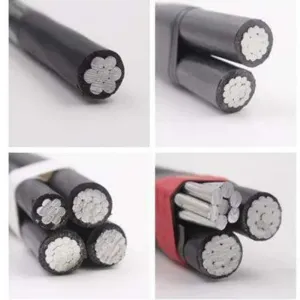
ABC Cable 4 Core 10mm² 16mm² 25mm² - XLPE Insulated, Aluminum Overhead Cable, Low Voltage Power Line
Klasifikasi mereka: Kabel saluran terisolasi overheadTampilan: 361Nomor:Waktu rilis: 2025-09-03 07:36:14The ABC (Aerial Bundled Cable) series—featuring 4-core configurations of 10mm², 16mm², and 25mm² aluminum conductors, XLPE (cross-linked polyethylene) insulation, and designed for low-voltage power lines—emerges as a versatile, durable solution for overhead power distribution across residential, commercial, and light utility sectors. Unlike generic low-voltage cables, this series balances scalable current-carrying capacity, weather resilience, and ease of aerial installation, making it a preferred choice for municipal utilities, electrical contractors, and infrastructure developers tackling projects with varying load demands. By examining its core design, conductor sizing versatility, material advantages, and real-world application value, this summary highlights why it has become a staple in modern low-voltage overhead power networks. At the heart of this cable series is its diverse 4-core aluminum conductor sizing (10mm², 16mm², 25mm²), each calibrated to address specific low-voltage load requirements. The 4-core configuration (3 phase conductors + 1 neutral conductor) aligns with global three-phase four-wire (3P+N) low-voltage systems, ensuring balanced power distribution that minimizes voltage fluctuations—critical for protecting sensitive equipment like residential smart appliances, commercial lighting, or small industrial tools. Each conductor size delivers a distinct ampacity (current-carrying capacity) tailored to its intended use, with performance adjusted for ambient temperature: The 10mm² variant offers an ampacity of 45–55 amps at 30°C, ideal for powering small residential clusters (5–8 homes) or low-load utility applications like park lighting or rural farm outbuildings. Its compact size (outer diameter of ~15mm when bundled) makes it suitable for dense urban areas where utility poles have limited space for multiple cables. For example, a small suburban neighborhood in Oregon uses 10mm² cables to power 6 single-family homes, leveraging its lightweight design to minimize pole load and installation labor. The 16mm² variant boosts ampacity to 65–75 amps at 30°C, catering to medium-sized residential complexes (10–15 homes) or small commercial spaces like convenience stores or office suites (500–1,000 square feet). It balances power delivery with practicality, supporting total loads of 15–20 kW—sufficient for running HVAC systems, point-of-sale equipment, and lighting in a 800-square-foot retail store. A strip mall in Texas relies on 16mm² cables to supply power to 4 small businesses, with its XLPE insulation resisting the region’s high summer temperatures (up to 40°C) without degradation. The 25mm² variant provides 90–100 amps at 30°C, the largest size in the series, designed for high-load scenarios like large residential developments (20–25 homes), commercial warehouses (1,000–2,000 square feet), or light industrial workshops with small machinery (e.g., woodworking shops, textile studios). It supports total loads of 25–30 kW, eliminating the need for higher-gauge cables in most low-voltage overhead applications. A residential subdivision in Florida uses 25mm² cables to power 22 homes with electric vehicle chargers and energy-efficient HVAC systems, leveraging the conductor’s high ampacity to handle peak evening loads. This sizing scalability eliminates the need for multiple cable types across a single project, simplifying inventory management and reducing installation complexity—particularly valuable for contractors working on mixed-use developments that combine small homes, retail spaces, and utility infrastructure. The aluminum conductor material is a strategic choice for overhead use, offering a superior balance of performance, cost, and practicality. Aluminum is 30% lighter than copper conductors of the same cross-sectional area, reducing the mechanical load on utility poles and support structures. For example, a 100-meter length of 25mm² aluminum cable weighs approximately 28 kg, compared to 78 kg for a copper equivalent—making it easier for two-person crews to handle and install without specialized heavy-lifting equipment. This lighter weight also extends the lifespan of utility poles by minimizing long-term stress, lowering maintenance costs for utilities by 20–30% over the cable’s service life. Aluminum is also 40–50% more cost-effective than copper, a critical advantage for large-scale projects (e.g., new residential subdivisions or rural electrification initiatives) where material costs can account for 30–40% of the total budget. Modern aluminum conductors in this series address historical concerns about corrosion through a zinc or aluminum oxide anti-corrosion coating. This coating forms a dense, protective barrier against moisture, salt spray (in coastal areas), and urban pollutants (e.g., exhaust fumes, dust). In accelerated corrosion tests (per ASTM B117, 1,000 hours of salt spray exposure), the conductors retain 90% of their original electrical conductivity—matching the longevity of copper conductors (25–30 years) while keeping upfront costs low. The conductors are also stranded (7–19 strands, depending on size) to enhance flexibility: 10mm² conductors use 7 strands of 1.3mm diameter wire, 16mm² use 19 strands of 1.0mm wire, and 25mm² use 19 strands of 1.3mm wire. This stranding allows the cable to bend around utility poles and navigate tight corners during installation without cracking, a key advantage over rigid solid conductors. The XLPE (cross-linked polyethylene) insulation further elevates the cable’s durability and reliability, making it suitable for the harsh outdoor conditions of overhead installation. Unlike traditional PVC insulation, XLPE undergoes a cross-linking process (via chemical, radiation, or silane methods) that transforms its linear polymer structure into a three-dimensional network, delivering exceptional properties: Thermal Stability: XLPE operates reliably across a temperature range of -40°C to 90°C, far wider than PVC’s 0°C to 70°C. This allows the cable to perform in extreme climates—from freezing winter nights in northern Canada (-30°C) to hot, arid summers in Arizona (45°C)—without insulation brittleness or softening. Even at 90°C (maximum continuous operating temperature), its dielectric strength remains ≥20 kV/mm, ensuring no electrical breakdown under low-voltage stress. Environmental Resistance: XLPE is highly resistant to water absorption (≤0.1% after 24 hours of immersion), preventing moisture-induced short circuits during rainstorms or snowmelt. It also resists UV radiation (maintaining 90% tensile strength after 2,000 hours of UV exposure per ISO 4892-3) and industrial pollutants (e.g., oil, dust, bird droppings). This resistance eliminates the need for frequent insulation repairs or replacements, even in exposed aerial installations—reducing maintenance costs by 25–35% compared to PVC-insulated cables. Electrical Performance: With a low dielectric loss tangent (tan δ < 0.001 at 50Hz), XLPE minimizes energy loss during transmission—critical for long-distance overhead runs (up to 1km). For example, a 500-meter span of 16mm² cable loses only 1–2% of power, compared to 3–4% for PVC-insulated cables, helping utilities meet sustainability goals by reducing transmission inefficiencies. The insulation thickness is calibrated to each conductor size to meet low-voltage requirements (typically 0.6/1kV): 0.8mm for 10mm², 1.0mm for 16mm², and 1.2mm for 25mm². This thickness balance ensures electrical safety while keeping the cable’s outer diameter compact (15–22mm), critical for fitting multiple cables on utility poles in dense urban or suburban areas. The aerial bundled (ABC) design is tailored to the logistical challenges of overhead installation. By integrating all 4 cores into a single bundled unit, the cable reduces clutter on utility poles and minimizes the risk of damage from vegetation (e.g., tree branches), wildlife (e.g., squirrels, birds), or accidental contact with construction equipment. The cores are twisted in a helical pattern with a pitch of 15–20 times the cable’s outer diameter (225–440mm), which improves aerodynamic efficiency—reducing wind resistance and ice loading in storm-prone areas. This design also simplifies installation by eliminating the need to string separate phase and neutral conductors, cutting installation time by 30–40% compared to traditional overhead cables. Many variants include an optional galvanized steel messenger wire (8mm²–12mm²) integrated into the bundle to provide additional mechanical support. The messenger, with a tensile strength of 1.2–1.8 kN, enables spans of up to 50 meters between utility poles—ideal for rural areas where pole spacing is wider. For example, a rural electrification project in Nebraska uses 10mm² cables with 8mm² messengers to span 45 meters between poles, reducing the number of poles needed by 20% and lowering infrastructure costs. The messenger is bonded to the core bundle via extrusion, forming a unified structure that distributes tension evenly, preventing excessive sag and conductor fatigue. In terms of applications, this cable series excels across diverse low-voltage sectors: Residential Infrastructure: The 10mm² and 16mm² variants are widely used in suburban and rural neighborhoods. A 15-home subdivision in Minnesota uses 10mm² cables to power small homes with basic electrical needs (lighting, appliances), while a 20-home development in California deploys 16mm² cables to support energy-efficient homes with solar panels and electric vehicle chargers. The XLPE insulation’s cold resistance ensures reliable performance during Minnesota’s harsh winters, while its UV resistance protects against California’s intense sunlight. Commercial and Retail Spaces: The 16mm² and 25mm² variants serve small commercial buildings, strip malls, and office parks. A 1,200-square-foot office building in Illinois uses 16mm² cables to power 10 workstations, HVAC systems, and conference room equipment, while a 2,000-square-foot warehouse in Georgia relies on 25mm² cables to run conveyor belts and packaging machinery. The ABC design’s compact profile fits easily on utility poles outside commercial properties, avoiding unsightly clutter and reducing the risk of damage from delivery trucks or pedestrians. Utility and Public Infrastructure: The 10mm² and 16mm² variants are used for public lighting, park infrastructure, and rural farm applications. A city park in Colorado uses 10mm² cables to power 12 LED park lights, with spans of 30 meters between poles, while a rural farm in Iowa deploys 16mm² cables to supply power to a barn and irrigation pumps. The cable’s corrosion resistance protects against farm chemicals and animal waste, ensuring long-term reliability in agricultural environments. Light Industrial Zones: The 25mm² variant caters to small industrial workshops with low-to-moderate power demands. A woodworking shop in Ohio uses 25mm² cables to power table saws, sanders, and dust collection systems, with the cable’s high ampacity handling intermittent heavy loads. The XLPE insulation’s resistance to sawdust and oil prevents insulation degradation, reducing the risk of electrical fires in industrial settings. In summary, the ABC Cable 4 Core 10mm² 16mm² 25mm²—with XLPE insulation and aluminum conductors—delivers a winning combination of versatility, durability, and cost-effectiveness for low-voltage overhead power lines. Its scalable conductor sizing, lightweight aluminum material, weather-resistant XLPE insulation, and efficient ABC design make it a reliable choice for residential, commercial, utility, and light industrial projects. Whether powering a small neighborhood, a strip mall, or a rural farm, this cable series meets the diverse needs of modern low-voltage infrastructure while minimizing installation and maintenance costs. -
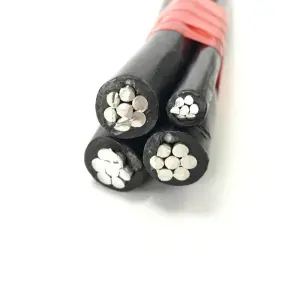
70mm² Aerial Bundle Cable (ABC) - Overhead Power Line
Klasifikasi mereka: Kabel saluran terisolasi overheadTampilan: 333Nomor:Waktu rilis: 2025-09-04 06:07:37The 70mm² Aerial Bundle Cable (ABC) stands as a high-performance solution for overhead power distribution, designed to efficiently transmit electricity across urban, suburban, and rural areas. Characterized by its bundled structure and robust conductors, this cable combines durability, safety, and cost-effectiveness, making it a preferred choice for modern power grid systems. At the core of the 70mm² ABC are multiple insulated conductors bundled together, with each phase conductor featuring a cross-sectional area of 70mm². These conductors are typically made from high-grade aluminum alloy (such as AA 6201 or AA 6101), chosen for their excellent balance of conductivity, tensile strength, and corrosion resistance. Aluminum alloy offers a conductivity of approximately 52% IACS (International Annealed Copper Standard), ensuring efficient power transmission with minimal energy loss, while its lightweight nature (2.7 g/cm³) reduces the mechanical stress on support structures like poles and brackets. The 70mm² size provides a current-carrying capacity of up to 180A at 30°C ambient temperature, with derating factors applied for higher temperatures (165A at 40°C and 150A at 50°C), making it suitable for medium to high-power distribution networks. Each conductor is individually insulated with a weather-resistant material, most commonly cross-linked polyethylene (XLPE) or polyethylene (PE). XLPE insulation is favored for its superior thermal stability, operating within a temperature range of -40°C to +90°C, with short-term overload tolerance up to +130°C. It boasts a high dielectric strength of 20 kV/mm, ensuring reliable insulation even in humid or polluted environments. PE insulation, on the other hand, offers excellent flexibility and UV resistance, making it ideal for regions with intense sunlight or extreme temperature fluctuations. Both insulation types are flame-retardant, adhering to standards such as IEC 60332-1-2, and are color-coded (e.g., red, yellow, blue for phase conductors; white or gray for neutral) to facilitate easy identification during installation and maintenance. The bundled design of the ABC integrates multiple conductors into a single, compact unit, eliminating the need for separate overhead wires and reducing the risk of short circuits caused by conductor contact. This design also minimizes wind resistance, lowering the risk of "galloping" (excessive oscillation) during high winds—a common issue with traditional bare conductors. Additionally, the insulation provides a physical barrier against external factors such as dust, moisture, and wildlife, reducing the likelihood of power outages and extending the cable’s service life. The 70mm² ABC is primarily used in overhead power lines for secondary distribution, connecting medium-voltage transformers to residential neighborhoods, commercial districts, and industrial zones. In urban areas, it is deployed to replace aging bare conductor systems, reducing the visual clutter of multiple wires and enhancing public safety by eliminating exposed live conductors. In rural settings, its lightweight design allows for longer spans between poles (up to 60 meters), reducing the number of support structures needed and lowering installation costs. It is also suitable for areas prone to harsh weather, such as coastal regions (resistant to salt spray) and mountainous areas (withstands heavy snow and ice loads). Installation of the 70mm² ABC is streamlined compared to traditional overhead cables. The bundled structure allows for simultaneous pulling of all conductors, reducing labor time and costs. It can be mounted on existing poles using standard hardware, such as cleats and brackets, and terminated using compression or bolted connectors designed for aluminum conductors. The insulation eliminates the need for additional protective devices like insulators, simplifying the installation process further. Compliance with international standards is a key feature of the 70mm² ABC, ensuring it meets rigorous safety and performance criteria. It adheres to specifications set by organizations such as the International Electrotechnical Commission (IEC 60502-2), Underwriters Laboratories (UL 854), and national standards (e.g., GB/T 14049 in China), which govern conductor material, insulation thickness, voltage rating (typically 0.6/1kV or 10kV), and mechanical durability. These standards guarantee that the cable can withstand the mechanical stresses of overhead installation, including tension, vibration, and environmental impact, while maintaining reliable electrical performance. In terms of longevity, the 70mm² ABC is designed to have a service life of 30 years or more under normal operating conditions. The aluminum alloy conductors, protected by corrosion-resistant insulation, resist oxidation and degradation, while the insulation materials are formulated to withstand UV radiation, temperature cycles, and chemical exposure. Regular maintenance, such as visual inspections for insulation damage or loose connections, can further extend its lifespan, ensuring consistent power delivery for decades. In summary, the 70mm² Aerial Bundle Cable (ABC) is a versatile and reliable solution for overhead power distribution, offering high current capacity, weather resistance, and ease of installation. Its bundled design, high-quality materials, and compliance with international standards make it an essential component of modern power grids, ensuring efficient and safe electricity transmission across diverse environments. Whether in urban centers, suburban areas, or rural regions, this cable provides a cost-effective and durable solution for meeting the growing demands of electrical power distribution.
Berita
Kategori:
Tidak ada hasil pencarian!
Kasus
Kategori:
Tidak ada hasil pencarian!
Video
Kategori:
Tidak ada hasil pencarian!
Download
Kategori:
Tidak ada hasil pencarian!
Rekrutmen
Kategori:
Tidak ada hasil pencarian!
Produk yang direkomendasikan
Tidak ada hasil pencarian!



 Telepon
 Surat
Surat