
 English
 Español
 Portugues
 Pусский
 Français
 العربية
 ไทย
ไทย Türk dili
 Tiếng Việt


Aerial Bundled Cable
Temukan {kata kunci} grosir & kutipan dari Cina. Kami adalah produsen profesional {kata kunci} perusahaan, pabrik & eksportir berspesialisasi dalam {kata kunci} dengan berkualitas tinggi.
Produk
Kategori:
-
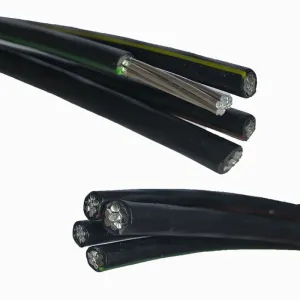
ABC Aerial Bundled Cable 3 Core x 95mm² | 3 Phase Overhead Power Line Cable | Competitive Price
Klasifikasi mereka: Kabel saluran terisolasi overheadTampilan: 355Nomor:Waktu rilis: 2025-08-27 08:42:37This article focuses on the ABC 3 - core 95mm² aerial bundled cable, which is specifically designed for three - phase overhead power lines and plays a crucial role in the power transmission field. The conductor part of this cable is made of carefully selected materials, commonly high - purity aluminum or copper, which are stranded through special processes. It has excellent electrical conductivity, effectively reducing resistance and power loss during transmission. Its insulation layer is made of high - quality cross - linked polyethylene (XLPE) material, which not only has excellent insulation performance but also has good heat resistance, weather resistance, and ultraviolet resistance. It can adapt to complex outdoor environments and ensure long - term stable operation. In terms of specifications, the 95mm² conductor cross - sectional area is precisely matched to carry a large current and meet the power transmission requirements of different scales. The overall structure of the cable is compact. Through a unique bundling design, the three insulated conductors are tightly bound together, which not only saves space but also enhances the mechanical strength of the cable, improving installation convenience and stability. In terms of performance, this cable complies with strict international and industry standards, such as NFC 33 - 209, etc. It has excellent electrical insulation performance, reliable mechanical properties, and good environmental resistance. It can work normally under harsh weather conditions and ensure the continuity and stability of power supply. The application scenarios are extensive, covering urban power grids, rural power transformation, power supply in industrial parks, and various infrastructure construction fields. In cities, it helps to build a safe and efficient power distribution network; in rural areas, it provides solid support for improving power supply conditions and promoting rural development; in industrial parks, it meets the strict requirements of industrial production for high - power and stable power. Notably, the price of this cable is highly competitive. While ensuring high quality, cost - effectiveness is fully considered. Manufacturers optimize production processes and integrate supply chain resources to reduce production costs, thus pushing it to the market at a reasonable price, providing customers with a cost - effective choice and helping customers effectively control project costs while meeting power needs. -
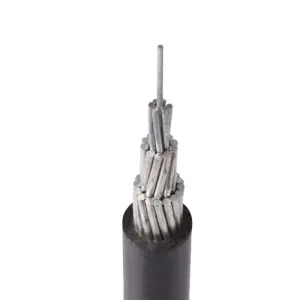
0.6/1kV ABC Aerial Bundled Cable with PE/PVC Jacket, Aluminum Conductor, XLPE Insulated, For Overhead Power Distribution & Street Lighting
Klasifikasi mereka: Kabel saluran terisolasi overheadTampilan: 367Nomor:Waktu rilis: 2025-08-29 09:22:35In low-voltage power distribution networks and municipal infrastructure construction, the 0.6/1kV Aerial Bundled Cable (ABC) is a key carrier connecting power distribution nodes and end-users. This cable, featuring a PE/PVC dual jacket, aluminum conductor, and XLPE insulation, has become a preferred solution for overhead power distribution projects and urban street lighting systems due to its core advantages of "multi-layer protection, efficient conductivity, and scenario adaptability". Its design fully considers the complexity of overhead environments and the particularity of street lighting power supply. Through the collaborative optimization of materials and structure, it achieves comprehensive value of "safety and reliability, long-term durability, and economic adaptability", and can effectively meet the needs of urban and rural low-voltage overhead power distribution, street lighting power supply for main and secondary urban roads, and peripheral lighting in industrial parks. In terms of material and structural design, the cable adopts a three-layer core structure of "aluminum conductor + XLPE insulation + PE/PVC jacket", with each link optimized for the characteristics of overhead and street lighting scenarios. The conductor is made of high-purity aluminum with a purity of ≥99.5%, manufactured through a concentric stranding process. The stranding lay length is controlled between 12-18 times the outer diameter of the conductor, which not only improves flexibility to adapt to the bending needs during overhead installation (such as turning between poles and avoiding obstacles) but also enhances fatigue resistance to withstand mechanical stresses caused by wind vibration and temperature alternations (-40℃ to 90℃) in long-term outdoor environments. Compared with copper conductors, aluminum conductors reduce material costs by 40%-50%, and their density is only 27% of that of copper, significantly reducing the cable's self-weight (the weight of the cable per kilometer is about 30% of that of copper conductor cables of the same specification). This reduces the load-bearing pressure on poles and towers, and lowers the investment cost of infrastructure such as poles and brackets in the project, making it particularly suitable for large-scale overhead power distribution and street lighting network construction. The insulation layer is made of cross-linked polyethylene (XLPE), which forms a three-dimensional network molecular structure through chemical cross-linking, and its performance is far superior to ordinary polyethylene: Firstly, it has excellent electrical insulation performance, with a breakdown field strength of over 26kV/mm, far higher than the requirements of the 0.6/1kV voltage level. It can effectively isolate current leakage between conductors and avoid short-circuit faults in street lighting power supply circuits or power distribution networks caused by insulation failure. Secondly, it has outstanding heat resistance, with a long-term allowable operating temperature of 90℃ and a short-term overload temperature of up to 130℃ (duration ≤5 seconds), which can cope with short-term current fluctuations during high summer temperatures or when street lights are turned on intensively, delaying insulation aging. Thirdly, it has strong weather resistance, capable of withstanding UV radiation and rain erosion, avoiding cracking and embrittlement of the insulation layer, and extending the service life to more than 20 years. The outer PE/PVC jacket is a core protection highlight of this cable, adopting a composite structure of PE and PVC (the inner PE layer focuses on flexibility and weather resistance, and the outer PVC layer focuses on impact resistance and chemical resistance), forming a dual protective barrier. PE material has excellent low-temperature resistance and anti-aging properties, and remains flexible even in a low-temperature environment of -40℃, avoiding jacket cracking; PVC material has high impact strength, oil resistance, and chemical corrosion resistance, which can resist scratches from tree branches, pecking by birds in the overhead environment, and oil pollution and dust pollution that may exist around street lights. The synergistic effect of the dual jacket enables the cable to maintain structural integrity in complex outdoor environments, reducing the risk of faults caused by external damage and environmental erosion. In terms of application scenarios, the cable's adaptability accurately covers the two core fields of overhead power distribution and street lighting: In urban and rural low-voltage overhead power distribution, the high current-carrying capacity of its aluminum conductor (continuous current-carrying capacity can reach 60A-200A depending on the cross-section) can meet the daily electricity needs of residential communities and rural villages, and the weather resistance of the PE/PVC jacket adapts to the diverse climates of urban and rural areas (such as rainy in the south and cold in the north). In urban street lighting power supply, the cable can be directly laid overhead along street light poles without excavating the ground, reducing damage to urban traffic and greenery. The dual jacket can resist mechanical collisions and environmental pollutants around street lights, ensuring the continuity of street lighting power supply. At the same time, it adapts to the intermittent power supply mode of street lights, avoiding damage to the cable caused by frequent start-stop. In the peripheral lighting and power distribution of industrial parks, its chemical resistance can cope with mild industrial waste gas and dust pollution that may exist around the park, ensuring the stable operation of the power distribution and lighting system. From the perspective of balancing performance and cost, this cable shows significant advantages. In addition to the cost optimization brought by aluminum conductors and composite jackets, the long-term durability of XLPE insulation and PE/PVC jackets reduces the frequency of later operation and maintenance and replacement costs—the annual operation and maintenance cost is only 50% of that of ordinary unjacketed cables. At the same time, the cable strictly complies with the national standard GB/T 12527-2008 "Overhead Insulated Cables for Rated Voltage of 1kV and Below" and the international standard IEC 60502-1, and meets high industry standards in key indicators such as conductor DC resistance, insulation resistance, and jacket tensile strength, ensuring that power supply safety and operational stability are not sacrificed while controlling costs. In conclusion, the 0.6/1kV ABC Aerial Bundled Cable with PE/PVC Jacket, Aluminum Conductor, and XLPE Insulated has become an efficient solution for overhead power distribution and street lighting systems with its scientific material combination, multi-layer protection structure, and scenario-based design. It can not only meet the protection needs of complex outdoor environments but also balance cost and performance, which is of great significance for promoting the upgrading of urban and rural power distribution networks and improving the reliability of urban street lighting power supply. -
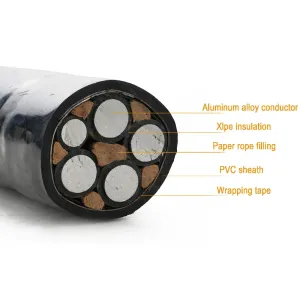
Low Voltage Aerial Bundled Cable (ABC) for Railway, Aluminum Alloy Conductor, XLPE Insulated
Klasifikasi mereka: Kabel saluran terisolasi overheadTampilan: 259Nomor:Waktu rilis: 2025-09-02 03:48:43In the power support system of railway transportation, the Low Voltage Aerial Bundled Cable (ABC) serves as a key power distribution device, undertaking the crucial responsibility of delivering stable electrical energy to railway-side signal systems, communication equipment, lighting facilities, and auxiliary power units. Among them, the railway-specific low-voltage aerial bundled cable with aluminum alloy conductor and cross-linked polyethylene (XLPE) insulation has become a preferred solution in the upgrading and new construction projects of modern railway power distribution networks, thanks to its performance advantages adapted to railway scenarios and reliable operation performance. In terms of conductor material, compared with traditional pure aluminum conductors or copper conductors, aluminum alloy conductors exhibit significant adaptability in railway scenarios. On one hand, through a reasonable proportion of components (such as adding magnesium, silicon, etc.), aluminum alloy not only retains the characteristics of light weight and low cost of aluminum, but also greatly improves mechanical strength and fatigue resistance. Its tensile strength can reach more than 1.5 times that of pure aluminum conductors, which can effectively resist external mechanical influences such as vibration and strong wind caused by train operation along the railway, reducing the risk of conductor breakage, deformation and other faults. On the other hand, aluminum alloy conductors have better corrosion resistance. By forming a dense oxide film, they can withstand the erosion of complex environments such as humidity, dust, acid-base fog that may exist along the railway, prolonging the service life of the cable and reducing later maintenance costs. At the same time, the aluminum alloy conductor has good flexibility, which is convenient for construction and installation in the complex erection environment along the railway (such as crossing the track, bypassing the bridge pier, etc.), improving project efficiency. In terms of the insulation layer, the application of cross-linked polyethylene (XLPE) material provides core protection for the safe operation of the cable. Through the cross-linking process, the XLPE insulation layer forms a three-dimensional network structure of polyethylene molecules. Compared with the traditional polyvinyl chloride (PVC) insulation, it has better high-temperature resistance. The long-term allowable operating temperature can reach 90℃, and the short-term overload temperature can rise to 130℃, which can adapt to the extreme climates of high-temperature exposure in summer and severe cold in winter along the railway, avoiding aging and cracking of the insulation layer due to temperature changes. In addition, the XLPE insulation layer has outstanding electrical insulation performance, with high insulation resistance and low dielectric loss, which can effectively reduce the risk of leakage during cable operation and ensure the power supply stability of the railway power distribution system. Its wear resistance and tear resistance can also cope with unexpected situations such as foreign object collision and animal biting that may occur along the railway, further improving the operation safety of the cable. From the perspective of product structure and functional adaptability, the low-voltage aerial bundled cable (ABC) for railway adopts a bundled design, which binds multiple insulated cores (usually including phase wires and neutral wires) into a bundle through a specific process. Compared with the traditional single overhead wire, it not only reduces the number of wires erected, reduces the space occupation along the railway, but also avoids mutual friction and interference between the cores, reducing fault points. At the same time, this type of cable is usually equipped with a dedicated overhead support structure, which can be installed in coordination with facilities such as catenary brackets and signal poles along the railway, without the need to build a large number of additional supports, reducing the engineering construction cost and construction difficulty. In terms of performance parameters, the rated voltage of the cable is usually adapted to the railway low-voltage power distribution system (such as 0.6/1kV), and the current-carrying capacity can be flexibly designed according to the power load demand along the railway, which can meet the power demand of different sections (such as station hubs, section lines, tunnel interiors), ensure the continuous power supply of key facilities such as signal systems and communication equipment, and provide power support for the safe and efficient operation of railway transportation. In practical application scenarios, this cable has been widely used in the power distribution networks along conventional railways, high-speed railways and urban rail transit. For example, in the section lines of high-speed railways, it can provide power for the signal relay stations and catenary inspection equipment along the line through overhead installation; in the ground section of urban rail transit, this cable can adapt to the complex municipal environment and deliver electrical energy for the station auxiliary facilities and the lighting system along the line. In addition, the maintenance convenience of this cable also meets the operation needs of the railway system. The aging speed of the XLPE insulation layer is slow, and the aluminum alloy conductor has strong corrosion resistance, which greatly extends the average fault-free working time of the cable, reduces the frequency of manual inspection and maintenance, and lowers the labor cost and time cost of railway operation. To sum up, the low-voltage aerial bundled cable (ABC) for railway with aluminum alloy conductor and XLPE insulation, through material optimization, structural innovation and performance upgrading, perfectly adapts to the complex environment and strict requirements of railway scenarios. It plays an irreplaceable role in ensuring the stability of the railway power distribution system, improving engineering economy, and reducing operation and maintenance costs, and is one of the important equipments to promote the high-quality development of the modern railway power system. -
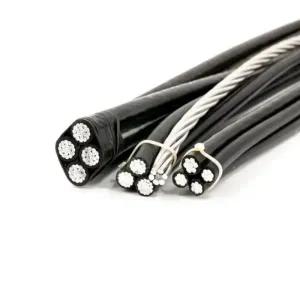
Aluminum Alloy Conductor Low Voltage Aerial Bundled Cable (ABC) - 4× 16mm²
Klasifikasi mereka: Kabel saluran terisolasi overheadTampilan: 322Nomor:Waktu rilis: 2025-09-02 05:42:51The Aluminum Alloy Conductor Low Voltage Aerial Bundled Cable (ABC) - 4×16mm² is an efficient transmission equipment specially designed for medium and short-distance power distribution in the low-voltage power distribution field. Relying on the core advantages of "compact structure, safety and reliability, economy and durability", it is widely used in urban and rural distribution network transformation, residential community power supply, industrial park power distribution and agricultural power grid upgrading. It has become the preferred solution to replace traditional bare wires and ordinary low-voltage cables. Its design focuses on the core needs of low-voltage power distribution systems, such as "low loss, easy installation and fault prevention", and achieves multiple optimizations in conductor material, structural design and insulation protection, perfectly adapting to the complex laying environment and diverse power supply needs in low-voltage scenarios. In terms of conductor and structural design, the cable adopts a 4-core 16mm² specification configuration. Each core conductor is made of high-purity aluminum alloy material (aluminum content ≥99.6%, with alloying elements such as magnesium and silicon added). Compared with traditional pure aluminum conductors, its mechanical properties and electrical conductivity have achieved dual improvements: the tensile strength of the aluminum alloy conductor can reach more than 180MPa (far exceeding the 110MPa of pure aluminum), which can effectively resist the tension and wind load impact during aerial laying and reduce the risk of conductor breakage. At the same time, through special annealing treatment, the conductor conductivity is maintained above 61% IACS (International Annealed Copper Standard). Under the 16mm² cross-section, the DC resistance of each core conductor at 20℃ is ≤1.15Ω/km, and the 4-core parallel transmission can meet the current-carrying capacity requirement of hundreds of amperes in a single circuit under the low-voltage system (0.4kV), fully adapting to the load requirements of typical low-voltage scenarios such as urban and rural residential electricity consumption and small and medium-sized enterprise production electricity consumption. The 4-core bundled design integrates the phase lines (L1, L2, L3) and the neutral line (N) into one, avoiding the phase confusion problem when multiple bare wires are erected in the traditional way, and at the same time greatly reducing the line space occupation and lowering the number of poles and towers and the erection cost. Under the same power supply radius, the pole spacing of the line using this bundled cable can be maintained at 80-100 meters, reducing the pole investment by 20% compared with the traditional bare wire line. The insulation layer and protection design are the keys to ensuring the safe operation of the cable. Each core conductor is covered with weather-resistant cross-linked polyethylene (XLPE) or high-density polyethylene (HDPE) as the insulation material, and the insulation thickness is controlled at 1.2-1.5mm, which not only meets the insulation strength requirements of the low-voltage system (power frequency withstand voltage ≥10kV/1min without breakdown) but also has excellent resistance to environmental interference. The temperature resistance range of the XLPE/HDPE insulation layer is -40℃ to 90℃, which can adapt to extreme climates such as severe cold in the north and high temperature and high humidity in the south. At the same time, it has excellent UV aging resistance. After 1000 hours of UV irradiation test, the tensile strength retention rate of the insulation layer is ≥80% without cracking or discoloration, and it can resist outdoor exposure for a long time. In addition, the insulation layer also has good chemical corrosion resistance, and can operate stably in environments such as acid-base haze in industrial areas and pesticide residues in agricultural areas, avoiding leakage and short-circuit faults caused by insulation breakdown. Some models also add an outer sheath (also made of HDPE material) to the outer layer of the 4-core bundle to further improve the cable's resistance to mechanical damage, prevent external factors such as bird pecking and branch scratching from damaging the insulation layer, and greatly reduce the frequency of line operation and maintenance. In terms of installation and application scenarios, the advantages of this cable are particularly prominent. Due to the bundled structure and light overall weight (the weight per unit length of the 4×16mm² specification cable is about 1.8kg/m, which is only 1/3 of that of the copper-core cable with the same cross-section), no complex wire-releasing equipment is needed during the laying process, and the erection can be completed manually or with small machinery. The installation efficiency is more than 50% higher than that of traditional bare wires, which is especially suitable for complex laying environments such as narrow lanes and dense residential areas in the "last mile" of urban and rural distribution networks. In specific applications, its scenarios are extremely wide: in the transformation of old urban residential areas, it can be directly erected along the original poles and towers to replace the old bare wires, solving the safety hazards caused by the "random connection" of traditional lines and reducing the interference to residents' lives at the same time. In the power distribution of industrial parks, the 4-core design can meet the dual needs of three-phase power for enterprises and single-phase lighting power, without the need to lay a separate neutral line, reducing the line construction cost. In the agricultural power grid, its weather resistance and corrosion resistance can adapt to scenarios such as farmland irrigation and pesticide spraying, ensuring the stable power supply for agricultural production and helping the development of rural electrification. In addition, the cable also has good compatibility and can be seamlessly connected with existing power distribution equipment such as low-voltage distribution boxes and pole-mounted switches, without the need for additional equipment interface transformation, reducing the overall investment in power grid upgrading. In terms of economic and environmental value, this cable also has significant advantages. Compared with copper conductors, aluminum alloy conductors have a raw material cost reduction of more than 40%, and their density is only 1/3 of that of copper, so the transportation cost is also reduced accordingly. At the same time, its designed service life of 30 years (far exceeding the 15-year service life of traditional bare wires) can greatly reduce the frequency of line replacement and reduce the full-life cycle operation and maintenance cost. In terms of environmental protection, aluminum alloy materials can be 100% recycled, and insulation materials can also achieve resource recycling through harmless treatment, which conforms to the concept of "green power grid" construction. In addition, the bundled structure reduces the line space occupation and reduces the damage to the ecological environment along the line, which is especially suitable for areas with high environmental requirements such as ecological protection areas and scenic spots. In conclusion, through material innovation, structural optimization and protection upgrading, the Aluminum Alloy Conductor Low Voltage Aerial Bundled Cable (ABC) - 4×16mm² has achieved multiple values of "safety and reliability, economy and efficiency, and environmental friendliness". It not only solves the safety hazards and operation and maintenance problems of traditional low-voltage power distribution lines but also can adapt to the power supply needs of diverse low-voltage scenarios such as urban and rural distribution networks, industrial parks and agricultural production, providing key equipment support for the upgrading and transformation and high-quality development of low-voltage power distribution systems. -
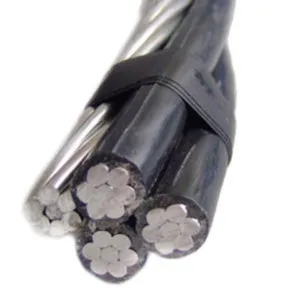
AAAC/XLPE/0.6/1kv - 3× 120 + 1× 25 - Aerial Bundled Cable (ABC)
Klasifikasi mereka: Kabel saluran terisolasi overheadTampilan: 324Nomor:Waktu rilis: 2025-09-02 08:37:07The AAAC/XLPE/0.6/1kV - 3×120 + 1×25 Aerial Bundled Cable (ABC) is an efficient equipment designed for "large-load transmission + flexible power distribution" scenarios in the medium and low-voltage power distribution field. Relying on the core advantages of "high-strength conductor, weather-resistant insulation, and differentiated cross-section adaptation", it is widely used in main power distribution of urban industrial parks, centralized power supply of large communities, grid connection of suburban new energy microgrids, and comprehensive power distribution along rural main roads. It has become the preferred solution to replace traditional multiple single-core cables and bare wires. Its design closely meets the core needs of 0.6/1kV medium and low-voltage systems for "high current-carrying capacity, low loss, and anti-interference", and achieves precise breakthroughs in conductor material selection (AAAC aluminum alloy), insulation performance upgrading (XLPE cross-linked polyethylene), and cross-section configuration (3×120mm² phase lines + 1×25mm² neutral line). It can not only meet the large current transmission demand of 250-300A for a single circuit (adapting to 150-200kW comprehensive load) but also resist interference from complex outdoor environments such as strong winds, high temperatures, and industrial dust, providing key support for the safe and stable operation of medium and low-voltage power distribution networks. In terms of conductor and cross-section configuration, the core competitiveness of this cable lies in the AAAC aluminum alloy conductor and the differentiated design of "three-phase large cross-section + single-phase small cross-section". The conductor is made of high-strength aluminum alloy (aluminum content ≥99.5%, added with 0.5-0.8% magnesium and 0.3-0.6% silicon), processed by continuous extrusion and concentric stranding processes. Compared with traditional pure aluminum conductors, the AAAC conductor has a tensile strength increased by more than 40% (≥240MPa), which can withstand a pole span of 120-150 meters and reduce the number of poles by 20%. At the same time, it has excellent conductive performance: the conductivity at 20℃ is ≥61% IACS, and the DC resistance of the 3×120mm² phase lines is strictly controlled within ≤0.25Ω/km. The line loss rate can be as low as within 1.8%, which is far better than the average loss level of 3.5% of traditional bare wires. In terms of cross-section configuration, the design of "3×120mm² phase lines + 1×25mm² neutral line" is highly targeted: the 120mm² large cross-section phase lines can meet the large current transmission needs of industrial equipment and centralized power supply in large communities (rated current-carrying capacity ≥280A@25℃), while the 25mm² neutral line is adapted to the common "three-phase load imbalance" scenario in low-voltage systems. When the single-phase load of residential electricity and commercial equipment fluctuates, the small cross-section neutral line can not only balance the current but also avoid the material waste of the traditional "neutral line with the same cross-section as phase lines" design, reducing the overall cost by 15-20%. The XLPE insulation layer is a key barrier to ensure the safe operation of the cable under medium and low voltage. Each AAAC conductor is insulated with high-density cross-linked polyethylene (XLPE) as the insulation material, and the insulation thickness is precisely controlled according to the cross-section difference: 2.2-2.4mm for 120mm² phase lines and 1.6-1.8mm for 25mm² neutral lines. This not only meets the insulation strength requirements of the 0.6/1kV voltage level (power frequency withstand voltage ≥10kV/1min without breakdown, impulse withstand voltage ≥60kV) but also has excellent comprehensive performance. After silane cross-linking treatment, the molecular structure of XLPE is a three-dimensional network, with a long-term allowable operating temperature of 90℃ and a maximum short-circuit withstand temperature of 250℃ (1 second for a short time). It can adapt to load fluctuation scenarios such as industrial park equipment startup/shutdown and community electricity consumption peaks, avoiding thermal aging and cracking of the insulation. Its dielectric loss tangent value is ≤0.0005 (20℃, 50Hz), and the volume resistivity is ≥1×10¹⁴Ω·cm, with stable insulation performance. It can effectively suppress partial discharge (partial discharge capacity ≤8pC), reducing the risk of leakage and short circuit caused by insulation breakdown. In addition, XLPE insulation also has excellent weather resistance and corrosion resistance. After 2000 hours of UV irradiation test, the tensile strength retention rate is ≥85% without discoloration or cracking; after 72 hours of immersion in 5% sulfuric acid or 5% sodium hydroxide solution, the insulation resistance does not decrease significantly. It can adapt to complex environments such as high dust in industrial parks and high humidity in suburban areas, extending the service life of the cable to more than 30 years. In terms of structure and mechanical performance, the bundled design and adaptability advantages of this cable are remarkable. The 3×120mm² phase lines and 1×25mm² neutral line are integrated into one by parallel bundling, and an HDPE sheath (thickness 2.0-2.5mm) can be added to the outer layer as needed. The overall structure is compact (outer diameter about 45-48mm without sheath, 50-53mm with sheath), and the weight per unit length is reasonably controlled (about 5.8kg/m without sheath, 6.5kg/m with sheath), which is more than 65% lighter than copper-core cables of the same current-carrying capacity. It greatly reduces the load on the poles—traditional poles can be directly used for laying without modification, and the installation efficiency is 60% higher than that of traditional multiple single-core cables. It is especially suitable for scenarios with limited construction space such as old urban industrial parks and large communities. In terms of mechanical performance, the fatigue resistance of the AAAC conductor after 10,000 bending cycles has a breaking strength retention rate of ≥80%, which can resist dynamic tension caused by strong winds of 15m/s. The minimum bending radius of the cable is 15 times the outer diameter (about 675mm without sheath, 750mm with sheath), and no excessive stretching is required during laying, avoiding damage to the insulation and conductor. At the same time, the bundled structure reduces electromagnetic interference between cables and lowers corona loss during line operation, further improving power distribution efficiency. In practical application scenarios, the value of this cable is fully reflected. In the main power distribution of urban industrial parks, the 3×120mm² large cross-section phase lines can be used as the outgoing cables of the 10kV substation in the park to provide centralized power supply for 10-15 small and medium-sized manufacturing enterprises (single-plant load 10-15kW). The 25mm² neutral line effectively balances the load fluctuation of single-phase equipment (such as welding machines and air compressors) in each factory area, avoiding overheating of the neutral line. For example, after a certain auto parts park adopted this cable, the line loss decreased from 4.2% before transformation to 1.7%, saving about 180,000 kWh of electricity loss annually. In the centralized power supply of large communities, this cable can cover 200-300 high-rise residential households (average electricity consumption per household 6-8kW). The 120mm² phase lines meet the concentrated use needs of high-power home appliances such as air conditioners and water heaters, and the 25mm² neutral line adapts to the characteristics of "large peak-valley difference and three-phase imbalance" in residential electricity consumption. The voltage stability is improved to within ±2%, significantly enhancing the residential electricity experience. In the grid connection of suburban new energy microgrids, this cable can be used as the low-voltage grid-connected line of photovoltaic power stations (50-100kW). The wind resistance of the AAAC conductor and the weather resistance of the XLPE insulation are adapted to the suburban outdoor environment. The 120mm² phase lines carry the full power of the power station, and the 25mm² neutral line ensures current balance when the microgrid switches with the municipal power. In the comprehensive power distribution along rural main roads, this cable can supply power to road street lamps, roadside shops, and small agricultural irrigation equipment at the same time. The large cross-section phase lines meet the concentrated transmission of multiple loads, and the small cross-section neutral line simplifies the line structure, reducing the area of farmland occupied by poles and helping the "lightweight upgrade" of rural power distribution. In terms of economic and environmental value, this cable also has significant advantages. In terms of material cost, the AAAC aluminum alloy conductor is more than 55% cheaper than copper conductors, and the XLPE insulation material has high cost-effectiveness. Moreover, the differentiated cross-section design reduces the material consumption of the neutral line—compared with the traditional design where the neutral line has the same cross-section as the phase line (3×120 + 1×120mm²), the 25mm² neutral line saves about 79% of the neutral line material, reducing the overall procurement cost by 60-65% compared with copper-core cables of the same current-carrying capacity. In terms of operation and maintenance costs, the cable’s designed service life of 30 years and excellent anti-fault performance reduce the frequency of line replacement. The full-life-cycle operation and maintenance cost is only 1/3 of that of traditional bare wires: traditional bare wires require regular inspections (at least once every 3 months), anti-corrosion treatment (once every 2 years), and replacement every 10-15 years, resulting in high annual operation and maintenance costs; in contrast, this ABC cable only needs routine monthly visual inspections and quarterly insulation resistance tests, with almost no need for additional anti-corrosion treatment, significantly reducing maintenance labor and material costs. In terms of environmental protection, the AAAC aluminum alloy conductor can be 100% recycled and reused—after the cable is scrapped, the aluminum alloy can be remelted and processed into new conductors with almost no loss of performance, reducing resource waste. The XLPE insulation material can achieve resource recycling after harmless treatment: through pyrolysis technology, XLPE can be decomposed into small-molecule hydrocarbons, which can be used as raw materials for new plastic products, avoiding environmental pollution caused by traditional incineration or landfilling. At the same time, the bundled structure reduces the number of cables laid—compared with the traditional method of laying 4 separate single-core cables (3 phase lines + 1 neutral line), this ABC cable reduces the number of lines by 75%, minimizing the occupation of public space and the damage to the surrounding ecological environment. It is especially suitable for power distribution construction in urban ecological corridors, rural farmland areas, and other ecologically sensitive regions, conforming to the global concept of "green and low-carbon power grid development". In conclusion, through the selection of high-strength AAAC conductors, the upgrading of weather-resistant XLPE insulation, and the innovative design of differentiated cross-sections, the AAAC/XLPE/0.6/1kV - 3×120 + 1×25 Aerial Bundled Cable (ABC) has achieved multiple values of "large current-carrying capacity, low loss, economy, and environmental protection". It not only solves the pain points of traditional medium and low-voltage power distribution lines such as "high cost, large land occupation, and poor load adaptability" but also can adapt to the needs of diverse medium and low-voltage scenarios including industry, communities, new energy, and rural areas. It provides key equipment support for the upgrading and transformation of medium and low-voltage power distribution networks and their high-quality development, and is one of the important products promoting technological progress in the medium and low-voltage power distribution field. For power grid operators, industrial park managers, and community property companies, this cable is not only a cost-effective power transmission tool but also a reliable guarantee for building a safe, efficient, and environmentally friendly power distribution system, contributing to the sustainable development of the power industry. -
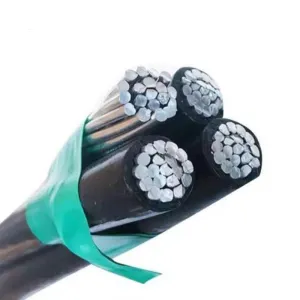
ABC Aerial Bundled Cable 0.6/1kv 4X16mm² Aluminum Overhead Power Cable XLPE Insulated for Street Light
Klasifikasi mereka: Kabel saluran terisolasi overheadTampilan: 268Nomor:Waktu rilis: 2025-09-03 06:06:16The ABC Aerial Bundled Cable 0.6/1kV 4×16mm² Aluminum Overhead Power Cable XLPE Insulated is a specialized, purpose-built solution engineered exclusively for street light power distribution—an application that demands consistent reliability, weather resilience, and compatibility with low-voltage urban and suburban electrical grids. Unlike generic overhead cables, this product is tailored to the unique needs of street lighting systems: it delivers stable single-phase or three-phase power to dispersed light fixtures, withstands prolonged outdoor exposure to harsh elements, and balances compact design with sufficient current-carrying capacity to support modern LED or traditional street lights. By examining its core specifications, material advantages, structural design, and real-world application value, this summary highlights why it has become a staple for municipal authorities, electrical contractors, and infrastructure developers tasked with building or upgrading street lighting networks. At the foundation of this cable’s functionality is its 0.6/1kV voltage rating and 4×16mm² aluminum conductor configuration—a combination optimized for street light power delivery. The 0.6kV phase-to-neutral voltage aligns with the low-voltage requirements of street lights (most operate on 120V or 230V, well within this range), ensuring safe, efficient power transmission without voltage waste or risk of equipment damage. The 1kV phase-to-phase rating provides a buffer against occasional voltage surges (common in urban grids during peak hours), preventing insulation breakdown and extending the cable’s service life. The 4-core design (typically 3 phase conductors + 1 neutral conductor, or 1 phase + 1 neutral + 2 auxiliary cores for smart lighting controls) offers flexibility for diverse street light setups: in single-phase systems (common in residential areas), it uses 2 cores (1 phase + 1 neutral) with the remaining cores reserved for future smart upgrades (e.g., dimming controls, motion sensors); in three-phase systems (used in commercial corridors or highways), all 4 cores (3 phase + 1 neutral) power multiple light fixtures in a balanced circuit, minimizing voltage drop across long spans. Each 16mm² aluminum conductor is sized to meet the specific load demands of street lighting. A 16mm² aluminum conductor has an ampacity of 65–75 amps at 30°C ambient temperature—more than sufficient to power a string of 15–20 modern LED street lights (each consuming 150–200W, totaling 2.25–4kW, requiring 9–17 amps at 230V). This capacity ensures the cable can handle peak loads (e.g., during evening hours when all lights are active) and accommodate future upgrades to higher-wattage fixtures or additional smart components. Aluminum’s lightweight nature (30% lighter than copper of the same cross-sectional area) is a critical advantage for overhead street light installation: it reduces the mechanical load on utility poles and mounting brackets, extending their lifespan and lowering maintenance costs. For example, a 100-meter length of 4×16mm² aluminum cable weighs approximately 32 kg, compared to 88 kg for a copper equivalent—making it easier for crews to handle and install without specialized heavy-lifting equipment. The XLPE (cross-linked polyethylene) insulation is a defining feature that ensures the cable’s durability in outdoor street light environments. Unlike PVC insulation (common in indoor cables), XLPE undergoes a cross-linking process that forms a three-dimensional polymer network, delivering superior resistance to weather, UV radiation, and temperature fluctuations. Its continuous operating temperature range of -40°C to 90°C allows it to perform reliably in extreme climates—from freezing winter nights in northern cities (where temperatures drop below -20°C) to hot summer days in southern regions (exceeding 45°C). XLPE is highly resistant to water absorption (≤0.1% after 24 hours of immersion), preventing moisture-induced short circuits that can disable street lights during rainstorms. It also withstands UV degradation (a major issue for uninsulated or PVC cables), maintaining its structural integrity and electrical performance for 25–30 years—matching the typical lifespan of street light fixtures and eliminating the need for frequent cable replacements. The insulation thickness of 1.0–1.2mm per core is calibrated to meet the 0.6/1kV voltage rating while keeping the cable compact enough to fit in the narrow spaces between street light poles and overhead wiring. The aerial bundled (ABC) design is tailored to the logistical challenges of street light installation. Unlike traditional overhead cables that use separate bare conductors, this cable integrates all 4 cores into a single bundled unit, reducing clutter on utility poles and minimizing the risk of damage from vegetation or wildlife. The bundled structure is twisted in a helical pattern (with a pitch of 15–20 times the cable’s outer diameter, approximately 250–300mm) to enhance flexibility—critical for navigating the tight bends between street light poles (typically spaced 30–50 meters apart in urban areas). In many variants, a thin, high-tensile messenger element (12mm² galvanized steel) is integrated into the bundle to provide additional mechanical support, enabling spans of up to 50 meters between poles without sagging. This eliminates the need for intermediate support brackets, reducing installation time and infrastructure costs for municipal projects. In terms of street light-specific applications, this cable excels across diverse urban and suburban scenarios. In residential neighborhoods, where street lights are spaced 30–40 meters apart and operate on single-phase power, the 4×16mm² cable uses 2 cores for power and reserves the other 2 for smart controls (e.g., dusk-to-dawn sensors, remote dimming), allowing municipalities to upgrade to energy-efficient systems without rewiring. In commercial corridors (e.g., downtown shopping districts), three-phase power via all 4 cores powers denser clusters of street lights and adjacent amenities (e.g., decorative lighting, traffic signals), ensuring balanced voltage and consistent performance. On highways and rural roads, where poles are spaced 40–50 meters apart, the integrated messenger supports longer spans, reducing the number of poles needed and lowering environmental impact (less land disturbance for pole installation). The cable’s compatibility with standard street light connectors (e.g., waterproof twist-lock terminals) streamlines installation, with crews able to connect fixtures in 15–20 minutes per pole—faster than traditional cables that require separate conductor termination. Installation and maintenance benefits further solidify its value for street light projects. The cable’s lightweight design and flexible bundled structure simplify installation: crews can string it between poles using standard overhead tools (e.g., pulleys, tensioners) and secure it with clips that attach to existing pole brackets—no need for new mounting hardware. Maintenance requirements are minimal: XLPE insulation eliminates the need for periodic re-treatment (unlike rubber or paper insulation), and the anti-corrosion coating on aluminum conductors (zinc or aluminum oxide) resists rust from road salt (a major issue in northern cities) and industrial pollutants. Routine inspections (annual visual checks) focus on identifying insulation cracks or sagging—tasks that can be completed during regular street light maintenance visits, avoiding dedicated cable maintenance costs. In the event of a fault (e.g., a core break due to accidental impact), the bundled design simplifies troubleshooting: crews can isolate the damaged core without disrupting power to the entire string of lights, minimizing downtime for nighttime illumination. Compliance with international standards ensures the cable’s compatibility with global street light systems. It meets IEC 60502-1 (for low-voltage power cables) and ANSI/ICEA S-94-649 (for aerial bundled cables), undergoing rigorous testing for voltage withstand (2.0kV phase-to-neutral for 5 minutes), insulation resistance (≥100 MΩ at 20°C), and mechanical strength (tensile strength ≥2.5 kN per core). These certifications give municipal authorities confidence in the cable’s safety and performance, ensuring it integrates seamlessly with existing grid infrastructure and meets local electrical codes. In summary, the ABC Aerial Bundled Cable 0.6/1kV 4×16mm² Aluminum Overhead Power Cable XLPE Insulated is a purpose-driven solution that addresses the unique demands of street light power distribution. Its optimized conductor size, durable XLPE insulation, lightweight aluminum material, and compact bundled design deliver reliability, efficiency, and cost-effectiveness—making it an essential component for building and maintaining safe, energy-efficient street lighting networks in urban, suburban, and rural areas. -
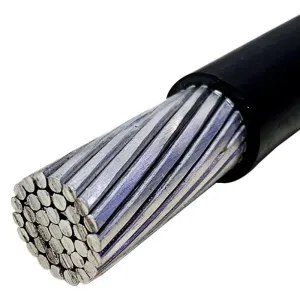
0.6/1kv Aerial Bundled Cable 25mm 35mm 50mm 70mm 95mm Electric Power Cable XLPE Insulation Overhead ABC Aluminum Cable
Klasifikasi mereka: Kabel saluran terisolasi overheadTampilan: 275Nomor:Waktu rilis: 2025-09-04 06:28:42The 0.6/1kV Aerial Bundled Cable (ABC) with cross-sectional areas ranging from 25mm² to 95mm² represents a versatile and robust solution for overhead power distribution, designed to meet the demands of modern electrical grids across residential, commercial, and rural settings. Featuring aluminum conductors and XLPE insulation, this cable combines efficiency, durability, and safety, making it a preferred choice for secondary power lines connecting medium-voltage transformers to end-users. At the core of these cables are high-grade aluminum alloy conductors (typically AA 6201 or AA 6101), selected for their optimal balance of conductivity, strength, and cost-effectiveness. The aluminum alloy offers a conductivity of 52% IACS (International Annealed Copper Standard), ensuring efficient power transmission with minimal energy loss, while its lightweight nature (2.7 g/cm³) reduces mechanical stress on support structures such as poles and brackets. The conductors are stranded—comprising multiple thin aluminum wires twisted helically—to enhance flexibility, allowing the cable to withstand wind-induced vibrations, thermal expansion, and contraction without fatigue. This flexibility is crucial for overhead spans, which may extend up to 60 meters between poles in rural areas. The range of cross-sectional sizes caters to diverse current demands: 25mm² (85A), 35mm² (100A), 50mm² (120A), 70mm² (150A), and 95mm² (180A) at 30°C ambient temperature, with derating factors applied for higher temperatures (e.g., 95mm² conductor rated at 165A at 40°C). This scalability ensures the cable can serve applications from small residential neighborhoods (25mm²) to larger commercial districts or industrial zones (95mm²), where higher power loads are common. Each conductor is individually insulated with cross-linked polyethylene (XLPE), a material renowned for its superior thermal and mechanical properties. The insulation thickness varies by conductor size (0.8mm for 25mm² to 1.4mm for 95mm²) and boasts a dielectric strength of 20 kV/mm, effectively preventing electrical leakage and short circuits—critical for overhead installations exposed to the elements. XLPE insulation operates within a temperature range of -40°C to +90°C, with short-term overload tolerance up to +130°C, allowing it to handle transient current spikes from utility grids. It is UV-stabilized to resist degradation from prolonged sunlight exposure (withstanding 5,000 hours of direct UV radiation) and resistant to moisture, salt spray, and industrial pollutants, making it suitable for coastal areas, industrial zones, and regions with harsh weather conditions. Additionally, the XLPE insulation is flame-retardant, adhering to IEC 60332-1-2 standards, which require it to self-extinguish within 60 seconds of ignition, reducing fire propagation risks. The aerial bundled design integrates multiple insulated conductors (typically 2 to 4 cores) into a single, compact cable, bound together by a UV-stabilized polyethylene tape. This unified structure simplifies installation, as the cable can be pulled as a single unit from poles to distribution points, reducing labor time and costs. The tape includes a ripcord for easy separation of conductors during termination, facilitating quick and secure connections to transformers or service entrances. The overall diameter of the cable ranges from 18mm (25mm², 2-core) to 32mm (95mm², 4-core), with weights between 1.2 kg/m and 2.8 kg/m, minimizing strain on support structures. This ABC cable is primarily used for secondary overhead power distribution, connecting 10kV/20kV medium-voltage transformers to low-voltage (0.6/1kV) networks. In residential areas, it supplies power to neighborhoods, with smaller sizes (25mm², 35mm²) handling typical household loads, including lighting, appliances, and HVAC systems. In commercial and industrial settings, larger sizes (50mm² to 95mm²) support higher-power equipment such as machinery, large HVAC units, and industrial lighting. Rural applications benefit from its ability to span long distances between poles, reducing the need for intermediate supports and lowering installation costs in sparsely populated areas. Compliance with international standards is a key feature, ensuring the cable meets rigorous safety and performance criteria. It adheres to specifications set by organizations such as the International Electrotechnical Commission (IEC 60502-2) and Underwriters Laboratories (UL 854), governing conductor material, insulation thickness, voltage rating (0.6/1kV), and mechanical durability. These certifications guarantee the cable can withstand the mechanical stresses of overhead installation, including tension, vibration, and environmental impact, while maintaining reliable electrical performance. Installation is streamlined by the cable’s design, compatible with standard overhead hardware such as cleats, brackets, and tensioning devices. Its minimum bending radius (12× outer diameter for fixed installations) allows easy routing around obstacles, while its lightweight nature simplifies handling during deployment. Termination involves stripping the XLPE insulation, cleaning the aluminum conductors to remove oxidation, and connecting them to compatible lugs—processes optimized for efficiency by the cable’s design. In terms of longevity, the cable is designed to have a service life of 30 years or more under normal operating conditions. The aluminum conductors, protected by corrosion-resistant XLPE insulation, resist oxidation and degradation, while the insulation material maintains its protective properties over time. Regular inspections—checking for insulation cracks, conductor damage, or loose connections—can identify potential issues early, allowing for timely repairs and extending the cable’s lifespan further. In summary, the 0.6/1kV Aerial Bundled Cable (25mm²-95mm²) with XLPE insulation is a versatile, efficient, and durable solution for overhead power distribution. Its scalable design, high-quality materials, and compliance with global standards make it suitable for diverse applications, ensuring reliable electricity transmission across residential, commercial, and rural environments. Whether powering small neighborhoods or large industrial zones, this cable delivers consistent performance, solidifying its role as a cornerstone of modern electrical grids. -
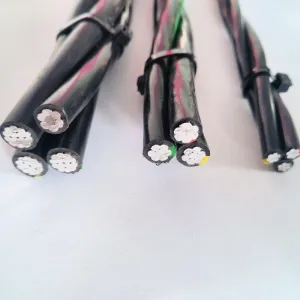
Aerial Bundled ABC Power Cable 4 Core 16mm² XLPE Insulated Aluminum Overhead Cable
Klasifikasi mereka: Kabel saluran terisolasi overheadTampilan: 392Nomor:Waktu rilis: 2025-09-04 08:09:15The Aerial Bundled ABC Power Cable with 4 cores of 16mm², featuring XLPE insulation and aluminum conductors, stands as a pivotal solution in modern overhead three-phase power distribution systems. This cable is engineered to balance efficiency, durability, and safety, making it a preferred choice for medium-load applications across commercial, industrial, and rural settings. By integrating high-quality materials and thoughtful design, it addresses the challenges of traditional bare conductor systems, offering enhanced reliability and reduced maintenance requirements. At the heart of this cable are four 16mm² aluminum conductors, each crafted from high-purity aluminum (minimum 99.5% purity) alloyed with magnesium and silicon. This alloy composition significantly boosts tensile strength (110–130 MPa) and corrosion resistance, ensuring the conductors can withstand the mechanical stresses of overhead installation—such as tension from spanning between poles—and prolonged exposure to environmental elements like moisture, dust, and industrial pollutants. The conductors are stranded, composed of 19 individual wires (1.0mm diameter each) twisted concentrically. This stranding design enhances flexibility, allowing the cable to bend smoothly around poles, brackets, or obstacles during installation without compromising the integrity of the insulation or conductor structure. Aluminum’s inherent lightweight property (density of 2.7g/cm³) reduces the load on support poles and infrastructure, minimizing the need for heavy-duty mounting hardware and lowering overall installation costs compared to copper-based alternatives. Each aluminum conductor is individually insulated with a layer of cross-linked polyethylene (XLPE), a material chosen for its exceptional thermal and dielectric performance. The XLPE insulation, with a thickness of 1.0–1.2mm, enables the cable to operate continuously at temperatures ranging from -40°C to 90°C, making it suitable for diverse climates—from freezing rural areas to hot urban environments. Critically, it can withstand short-circuit conditions of up to 250°C for 5 seconds, providing resilience against transient overloads caused by motor startups, equipment faults, or sudden power surges. With a dielectric strength of ≥20kV/mm, the XLPE insulation ensures reliable electrical isolation between conductors, even over spans of up to 50m, reducing the risk of arcing or leakage current—common issues in uninsulated systems that lead to outages and safety hazards. Additionally, XLPE is highly resistant to water treeing, a phenomenon where moisture ingress degrades insulation over time, making this cable ideal for humid regions, coastal areas, or locations with frequent rainfall. Its chemical inertness further protects against degradation from ozone, UV radiation, and industrial chemicals, extending the cable’s service life to 20+ years with minimal maintenance. The four insulated conductors—three phase conductors and one neutral conductor—are bundled together and encased in an outer protective sheath, typically made from low-density polyethylene (LDPE) or linear low-density polyethylene (LLDPE) with a thickness of 0.8–1.0mm. This sheath serves multiple critical functions: it binds the cores into a single, compact unit, simplifying installation and reducing wind resistance; it provides an additional barrier against physical damage from tree branches, wildlife, or installation tools; and it enhances UV resistance through the inclusion of 2–3% carbon black additives, preventing premature aging from sunlight exposure. The sheath is color-coded according to IEC 60446 standards (brown, black, gray for phases; blue for neutral), allowing for easy identification during installation, maintenance, or troubleshooting—an important feature that reduces human error and speeds up repair processes. The 4-core, 16mm² configuration is specifically designed to support three-phase power distribution, where balanced loading is essential for the efficient operation of motors, machinery, and multi-phase electrical systems. Each conductor carries a current of 70–85A at 30°C ambient temperature (derated to 55–65A at 40°C), enabling the cable to handle a maximum power output of approximately 50kVA at 400V. This makes it ideal for a range of applications, including small manufacturing units, workshops, retail centers, multi-story apartment complexes, and rural agricultural facilities. In commercial settings, it powers HVAC systems, refrigeration units, and industrial machinery; in residential areas, it supports elevators, communal amenities, and household loads; in rural contexts, it drives irrigation pumps, grain mills, and community infrastructure. Safety is a defining advantage of this ABC cable. Unlike traditional bare conductor systems, the fully insulated and sheathed design eliminates the risk of accidental contact with live parts, drastically reducing the potential for electric shock, short circuits, or outages caused by wildlife (e.g., birds, squirrels). This makes it compliant with stringent international standards, including IEC 60502-1 and ASTM B230, ensuring its suitability for installation in populated areas, near schools, or alongside residential neighborhoods. In summary, the 4 Core 16mm² XLPE Insulated Aluminum Aerial Bundled ABC Power Cable represents a sophisticated integration of materials and engineering, tailored to meet the demands of modern three-phase overhead power distribution. Its combination of high-conductivity aluminum, resilient XLPE insulation, and protective PE sheath delivers a solution that is efficient, durable, and safe, capable of thriving in diverse environmental conditions. As infrastructure continues to evolve, this cable plays a vital role in ensuring reliable, uninterrupted power supply for communities, businesses, and industries worldwide. -
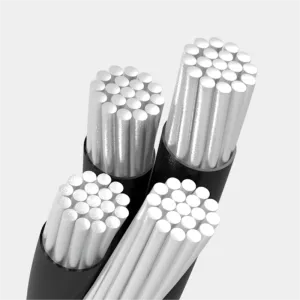
0.6/1kv ABC 4X25mm², 4X35mm², 4X50mm², 4X70mm², 4X95mm² - XLPE Insulated Aluminum Aerial Bundled Cable
Klasifikasi mereka: Kabel saluran terisolasi overheadTampilan: 388Nomor:Waktu rilis: 2025-09-05 02:20:28This specification outlines a range of 0.6/1kV Aerial Bundled Cables (ABC) designed for efficient overhead power distribution. The cables are constructed with aluminum conductors, XLPE (Cross-Linked Polyethylene) insulation, and are available in four-core configurations with conductor cross-sectional areas of 25mm², 35mm², 50mm², 70mm², and 95mm². Aluminum, chosen as the conductor material, offers a compelling balance of conductivity, lightweight properties, and cost-effectiveness, making it ideal for aerial applications where reduced weight minimizes mechanical stress on supporting structures like poles and brackets. This not only simplifies installation but also lowers long-term maintenance requirements, as the material’s inherent strength and resistance to corrosion (when properly insulated) ensure durability in various environmental conditions, including exposure to moisture, UV radiation, and temperature fluctuations. The use of XLPE insulation is a key feature that enhances the cables’ performance. XLPE is known for its excellent electrical properties, including high dielectric strength, which allows the cables to operate safely at the 0.6/1kV voltage rating—suitable for low to medium-voltage distribution networks, such as those supplying residential areas, commercial complexes, and rural communities. Additionally, XLPE exhibits superior thermal resistance compared to traditional PVC insulation, enabling the cables to handle higher continuous current loads without significant degradation. This thermal stability is crucial in preventing overheating, which can lead to insulation breakdown and power outages. The material is also resistant to chemical exposure and abrasion, further extending the service life of the cables in harsh or industrial environments. The four-core design of these ABC cables is tailored to meet the demands of three-phase power distribution systems, with three cores dedicated to phase conductors and one core serving as the neutral conductor. This configuration ensures balanced power transmission, reducing energy loss and ensuring stable voltage supply to end-users. The bundled structure—where all four cores are grouped together—simplifies installation compared to individual overhead conductors, as it eliminates the need for separate spacing and support hardware. This bundled design also minimizes the risk of short circuits caused by conductor movement or contact, enhancing overall system safety. Each cable size in the range (25mm² to 95mm²) is engineered to accommodate specific current-carrying requirements, allowing for flexibility in system design. Smaller sizes, such as 4X25mm² and 4X35mm², are typically used in low-load applications, such as residential neighborhoods with moderate power demands. Larger sizes, including 4X70mm² and 4X95mm², are suitable for higher-load scenarios, such as commercial areas, industrial facilities, or rural networks with longer transmission distances, where higher current capacity is necessary to maintain voltage regulation. In terms of compliance, these cables are designed to meet international standards for aerial bundled cables, ensuring compatibility with global installation practices and safety regulations. They undergo rigorous testing to verify insulation integrity, conductor conductivity, flame resistance, and resistance to environmental stress, guaranteeing reliable performance under operational conditions. Overall, the 0.6/1kV ABC cables with XLPE-insulated aluminum conductors represent a practical and efficient solution for modern overhead power distribution. Their combination of lightweight aluminum conductors, robust XLPE insulation, and versatile four-core configurations ensures they can adapt to diverse load requirements, environmental challenges, and installation scenarios, making them a preferred choice for utilities and distribution network operators seeking cost-effective, durable, and high-performance cabling solutions. Whether deployed in urban, suburban, or rural settings, these cables contribute to the stability and efficiency of power distribution systems, supporting the reliable delivery of electricity to homes, businesses, and critical infrastructure.
Berita
Kategori:
Tidak ada hasil pencarian!
Kasus
Kategori:
Tidak ada hasil pencarian!
Video
Kategori:

Download
Kategori:
Tidak ada hasil pencarian!
Rekrutmen
Kategori:
Tidak ada hasil pencarian!
Produk yang direkomendasikan
Tidak ada hasil pencarian!



 Telepon
 Surat
Surat